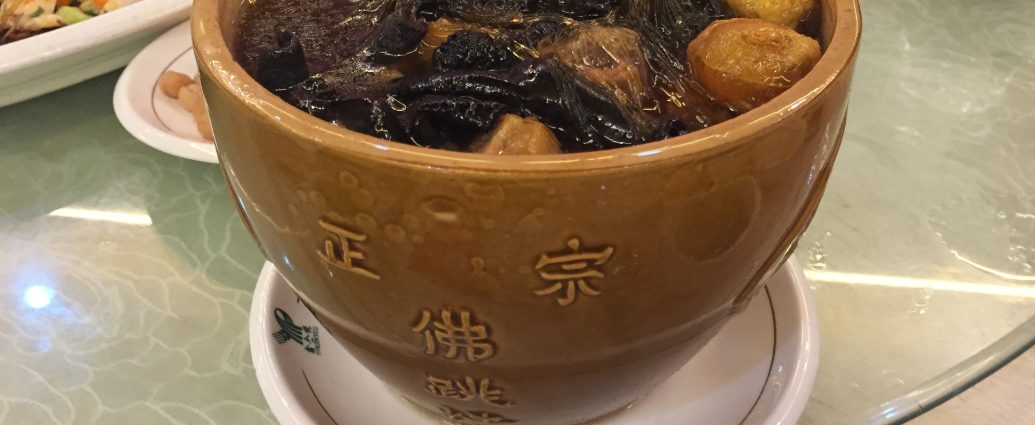
Fotiaoqiang (佛跳墙) — “Buddha Jumps Over the Wall” — is the most storied soup in Chinese cuisine: a Fujian banquet treasure in which dozens of luxury ingredients — abalone, sea cucumber, shark fin, ham, chicken, mushrooms — are layered in a sealed clay pot and braised for hours into a velvety, amber broth so seductive that legend says a meditating monk leapt the temple wall to taste it. Whether or not the monk really jumped, the name stuck.
The dish comes from Fuzhou, where it was created in the late Qing dynasty and served at the city’s most exclusive banquets. A traditional version can take days and hundreds of dollars in ingredients, but the soul of Fotiaoqiang — deeply layered umami from chicken, pork, ham, and mushrooms simmered together — can be captured at home with everyday ingredients. This streamlined recipe delivers that luxurious, rich broth without the abalone budget.
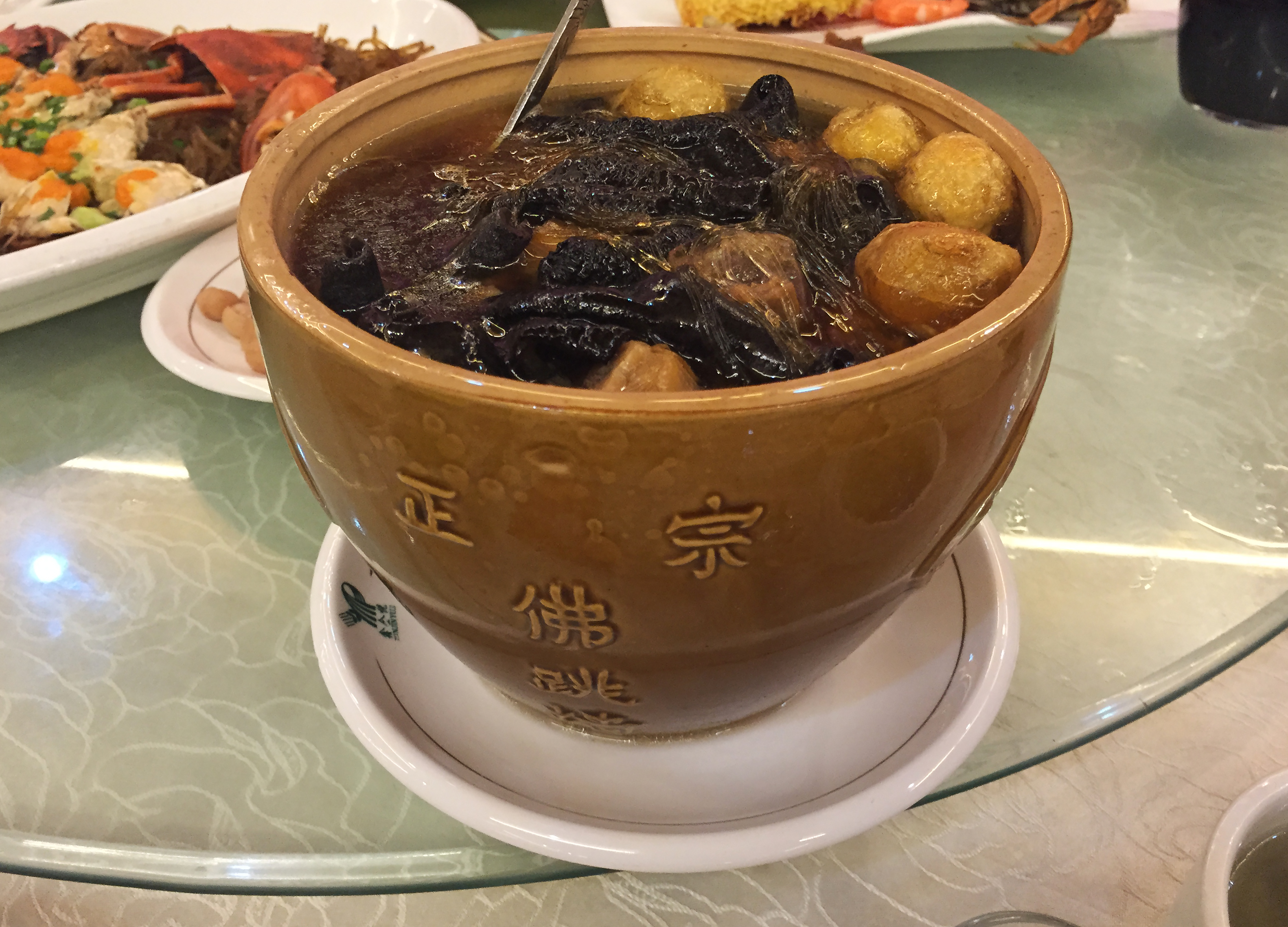
Photo: N509FZ via Wikimedia Commons, CC BY-SA 4.0
Fuzhou, Late Qing, and a Dish of Display
佛跳墙 belongs to 闽菜 (Fujian cuisine), one of China’s eight great regional traditions, and it is the dish that defines the region’s banquet cooking. It emerged in Fuzhou in the late nineteenth century, in the hands of a restaurant chef who built it from a more modest braised dish of layered meats and seafood. Its genius was presentation and abundance: a sealed jar opened at the table, releasing an aroma that filled the room. The poem that supposedly gave the dish its name describes exactly that moment — the fragrance drifting over a temple wall and tempting a monk from his meditation. Whether the story is literal or not, it captures why the dish became famous: it is designed to overwhelm the senses the instant the seal is broken, and it has been the centerpiece of Fujian banquets ever since.
Why Layering Matters
- Heavier ingredients at the bottom — pork ribs, chicken, and ham go in first, where they will release their juices upward
- Delicate ingredients near the top — scallops, mushrooms, and any seafood go higher so they do not overcook
- The seal is functional, not theatrical — a tight foil or dough seal traps steam so nothing evaporates and no aroma escapes until serving
- Low, long heat — several hours at a bare simmer, never a boil, which would emulsify the fat and cloud the broth
- Shaoxing wine throughout — it is the aromatic thread that ties the layers together
- Rest overnight if you can — the broth deepens noticeably after a night in the refrigerator, and the fat is easy to lift off
Building the Umami Without the Luxury
The expensive ingredients in a traditional Fotiaoqiang — abalone, sea cucumber, fish maw, shark fin — contribute texture more than flavor. The flavor comes from the humbler layers: chicken, pork ribs, Jinhua or other cured ham, dried shiitake, and dried scallops. A home version built on those ingredients, simmered slowly with Shaoxing wine, produces a broth that is genuinely rich and gelatinous, especially if you include pork skin or chicken feet for body. Add abalone or fresh scallops if you want to splurge; the dish will be better for it, but it will already be excellent without them.
Ingredients and Where to Find Them
- Dried scallops (瑶柱) — dried scallops for the savory base
- Jinhua or cured ham — Chinese cured ham; a small piece goes a long way
- Shaoxing wine — Shaoxing wine, a generous amount
Also needed: chicken, pork ribs, pork skin or chicken feet, dried shiitake, bamboo shoots, ginger, scallions, and a clay pot or heavy Dutch oven with a tight lid. Optional luxuries: abalone, sea cucumber, fish maw, fresh scallops.
How to Make It
- Soak 20g dried scallops and 8 dried shiitake in warm water for 2 hours; reserve the soaking liquid
- Blanch 500g chicken pieces, 400g pork ribs, and 200g pork skin in boiling water for 5 minutes; drain and rinse
- Layer the pot: pork ribs and chicken at the bottom, then pork skin, ham, shiitake, bamboo shoots, and scallops on top
- Add 100ml Shaoxing wine, 1 tablespoon light soy, the mushroom soaking liquid, and enough water to just cover
- Seal the pot tightly with two layers of foil and the lid; simmer over the lowest heat for 3 hours, or bake at 150°C (300°F)
- Cool and refrigerate overnight if time allows, then lift off the solidified fat
- Reheat gently, adjust the salt, and serve in the pot at the table so the aroma is released when the seal is broken
Variations
- With abalone and sea cucumber — the traditional luxury version; add in the last hour
- With fish maw — for a gelatinous, collagen-rich broth
- With duck — some versions include duck alongside the chicken for extra depth
- Vegetarian — mushroom, kombu, and bamboo shoot stock with dried scallops omitted; lighter but still layered
Frequently Asked Questions
Do I really need 30 ingredients?
No. The classic version is famous for its abundance, but the flavor comes from a handful of key ingredients — chicken, pork, ham, dried shiitake, and dried scallops. A home version with those five produces a genuinely rich, layered broth.
Can I use shark fin?
Many cooks now omit it. Shark fin contributes texture rather than flavor, and its inclusion raises conservation concerns. Fish maw or extra pork skin provides a similar gelatinous quality.
Why is my broth not thick?
The body comes from collagen. Include pork skin, chicken feet, or pork ribs, and simmer long enough for the collagen to dissolve into gelatin. Three hours at a bare simmer is the minimum; longer is better.
How long does it keep?
Refrigerated, it keeps 3–4 days and improves each day. It also freezes well for up to 3 months. Reheat gently and adjust the seasoning, since the flavors concentrate as it reduces.
More Slow Soups to Try
Love a soul-warming soup? Try my Pig Lung and Almond Soup 猪肺杏仁汤, the classic Lotus Root Pork Rib Soup 莲藕排骨汤, or the Hangzhou favorite Sister Song Fish Soup 宋嫂鱼羹.
As an Amazon Associate, I earn from qualifying purchases. These are affiliate links at no extra cost to you.