
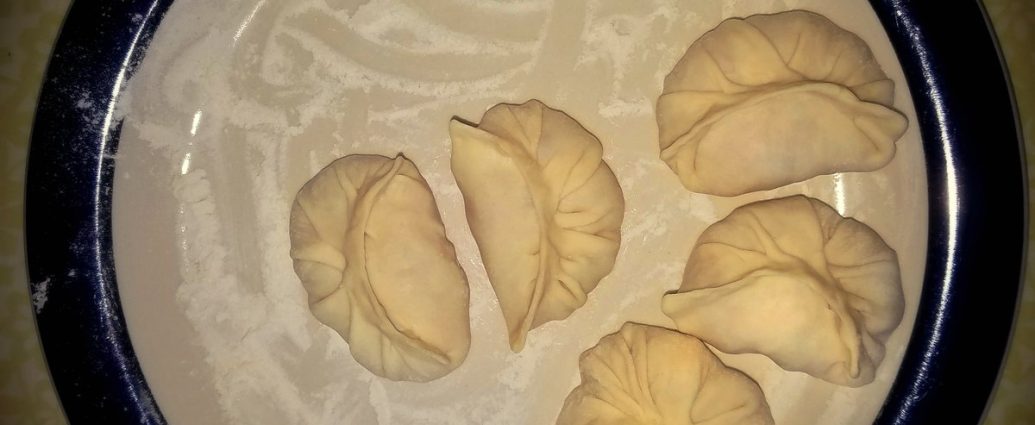
Potstickers (锅贴), known as guotie in Chinese, are the crispy-bottomed cousin of the dumpling — pan-fried until the bottoms are golden and shatteringly crisp, then steamed until the tops are tender and the filling is juicy. They get their name from the way they “stick” to the pan during frying. Learn how to make perfect potstickers at home with this foolproof recipe.
锅贴 belongs to the great northern Chinese dumpling tradition, where 饺子 (boiled dumplings) are the everyday staple and 锅贴 is the treat. The technique is a single continuous process — fry, then steam, then fry again — all in one pan with one lid. It is also, historically, a way of using up dumplings that would otherwise stick: rather than fight it, northern cooks turned the sticking into the point, producing a lacy golden crust that boiled dumplings never have. In Beijing and the northeast, 锅贴 are a breakfast and snack food, sold by the panful with vinegar and chili oil.
This recipe comes from a northern Chinese home cook who taught me the signature technique: a single pan, a splash of water, and a lid. The water creates steam that cooks the tops while the bottoms crisp into golden lacy crusts — no deep frying required.
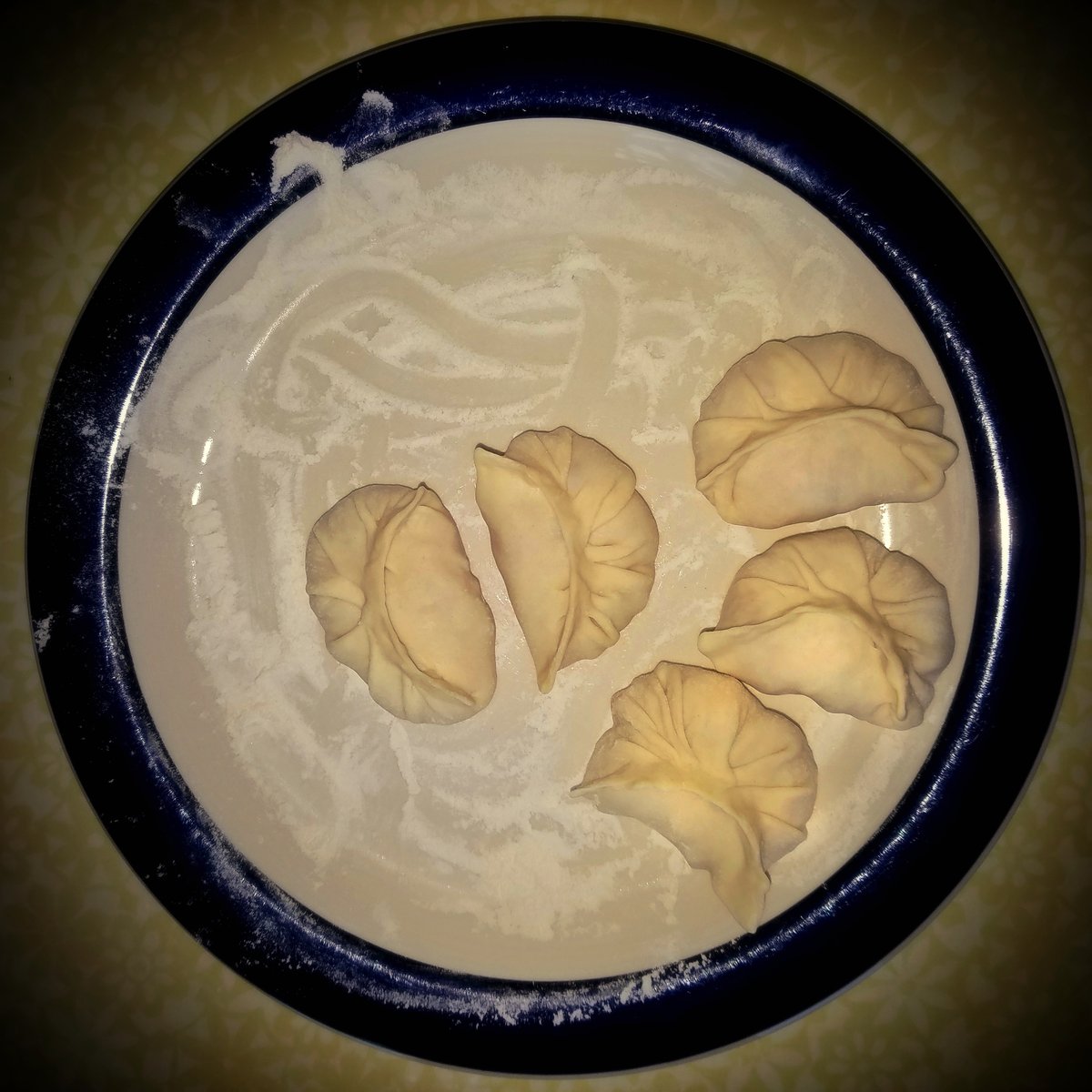
The Fry-Steam-Fry Sequence
The whole dish is a timing exercise, and it happens in one pan without moving the dumplings:
- Fry to set the base. The dumplings go into a hot oiled pan, flat side down, and fry for two to three minutes until the bottoms are pale gold. This is the crust forming.
- Add water and cover. A splash of water — about 100ml for a standard pan — goes in around the edges, and the lid goes on immediately. The steam cooks the filling and the tops through.
- Uncover and crisp. Once the water has evaporated (you will hear the change in sound from bubbling to sizzling), the lid comes off and the dumplings fry for another minute, deepening the crust into a golden, lacy shell.
Do not move the dumplings during any of this. The crust is formed by contact with the pan; disturbing them breaks it.
Filling and Wrapper Notes
- Pork with cabbage or napa is the classic filling — salt the cabbage first and squeeze out the water, or the filling will be wet
- Add a cornstarch slurry — a tablespoon of cornstarch mixed with water binds the filling and traps juices
- Do not overfill — a heaped teaspoon is plenty; an overfilled dumpling bursts in the pan
- Homemade wrappers are best — slightly thicker than shop-bought, so they hold up to frying and steaming
- Seal only the top edge for potstickers; the classic shape is open at the ends, which is easier to seal and crisps more surface
Ingredients and Where to Find Them
- Dumpling wrappers — round dumpling wrappers, or make your own
- Ground pork — ground pork, ideally with some fat for juiciness
- Chinkiang black vinegar — Chinkiang vinegar for the dipping sauce
Also needed: napa cabbage or Chinese chives, garlic, ginger, scallions, light soy sauce, Shaoxing wine, sesame oil, cornstarch, and oil for frying. Chili oil and grated ginger complete the dipping sauce.
How to Cook Them
- Salt 300g (10.5 oz) shredded napa cabbage for 15 minutes, then squeeze dry
- Mix 400g (14 oz) ground pork with the cabbage, 2 tablespoons light soy, 1 tablespoon Shaoxing wine, 1 tablespoon sesame oil, 1 tablespoon cornstarch, garlic, ginger, and scallions; stir in one direction until sticky
- Fill and seal 30 wrappers, pleating only the top edge
- Heat 2 tablespoons oil in a non-stick pan over medium heat and arrange the dumplings flat-side down in a tight circle
- Fry 2–3 minutes until the bottoms are pale gold
- Pour 100ml water around the edge, cover immediately, and steam 6–7 minutes until the water evaporates
- Uncover and fry 1–2 minutes more until the bottoms are deep golden and lacy; invert onto a plate and serve with vinegar, soy, and chili oil
Variations
- With chives and egg — a vegetarian filling of Chinese chives, scrambled egg, and glass noodles
- With shrimp — chopped shrimp and pork together make a juicier, sweeter filling
- With a flour crust (冰花锅贴) — add a slurry of flour and water instead of plain water to create a dramatic lacy web across the whole pan
- Baked version — brush with oil and bake at 200°C (400°F) for 18 minutes; less crusty, but hands-off
Frequently Asked Questions
Why did my potstickers stick to the pan?
Not enough oil, or the pan was not hot enough when they went in. Use a non-stick pan with a generous tablespoon of oil, and let it heat before adding the dumplings. If they do stick, pour in a little water and let the steam release them rather than forcing them with a spatula.
How do I get the crispy lacy crust?
Two things: fry long enough at the start for the base to set, and finish uncovered for a full minute after the water evaporates. For the dramatic connected web, use a slurry of 1 teaspoon flour and 100ml water instead of plain water.
How do I freeze potstickers?
Freeze uncooked potstickers on a tray in a single layer, then transfer to a zip-top bag. Cook from frozen: fry 3 minutes, then steam with 1/2 cup water for 7-8 minutes.
What is the difference between 锅贴 and 饺子?
饺子 are boiled or steamed dumplings — soft all over, served in soup or on their own. 锅贴 are pan-fried with a water-steam finish, giving a crisp golden bottom and a tender top. Same filling, very different texture.
More Chinese Snacks & Dumplings
Love Chinese dumplings and snacks? Try my Scallion Pancake 葱油饼, the crisp Ham Sui Gok 咸水角, or the classic Spring Rolls 春卷.
As an Amazon Associate, I earn from qualifying purchases. These are affiliate links at no extra cost to you.
2 Comments