
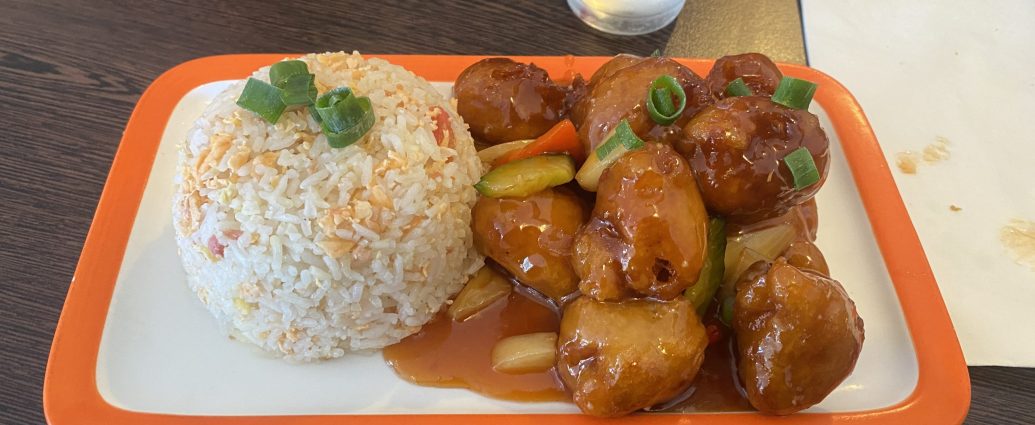
Tang Cu Li Ji (糖醋里脊) is the gold standard of Chinese sweet and sour cooking — tender pork tenderloin strips with a shatteringly crisp batter, coated in a glossy, tangy-sweet sauce that strikes the perfect balance between vinegar sharpness and caramelized sugar. It is brighter, lighter, and far more refined than takeout versions.
糖醋 (táng cù, “sugar-vinegar”) is one of the foundational flavor pairings of Chinese cooking, and every region has its own expression of it: the northeastern 锅包肉, the Cantonese 咕噜肉, and this one — the Zhejiang and Huaiyang version made with lean pork tenderloin. What distinguishes 糖醋里脊 is restraint: no pineapple, no food coloring, no heavy batter. Just tenderloin in a thin, crisp shell and a sauce built on the correct ratio of vinegar to sugar, cooked in seconds so the vinegar keeps its brightness. It is a banquet dish that behaves like a home dish, which is why it appears on tables from Hangzhou to Beijing.
This recipe comes from a Hangzhou chef who taught me that the secret is in the double-fry — once to cook through, once to crisp — and in using the right vinegar-to-sugar ratio that makes the sauce sing rather than cloy.
The Double Fry and the Sauce Window
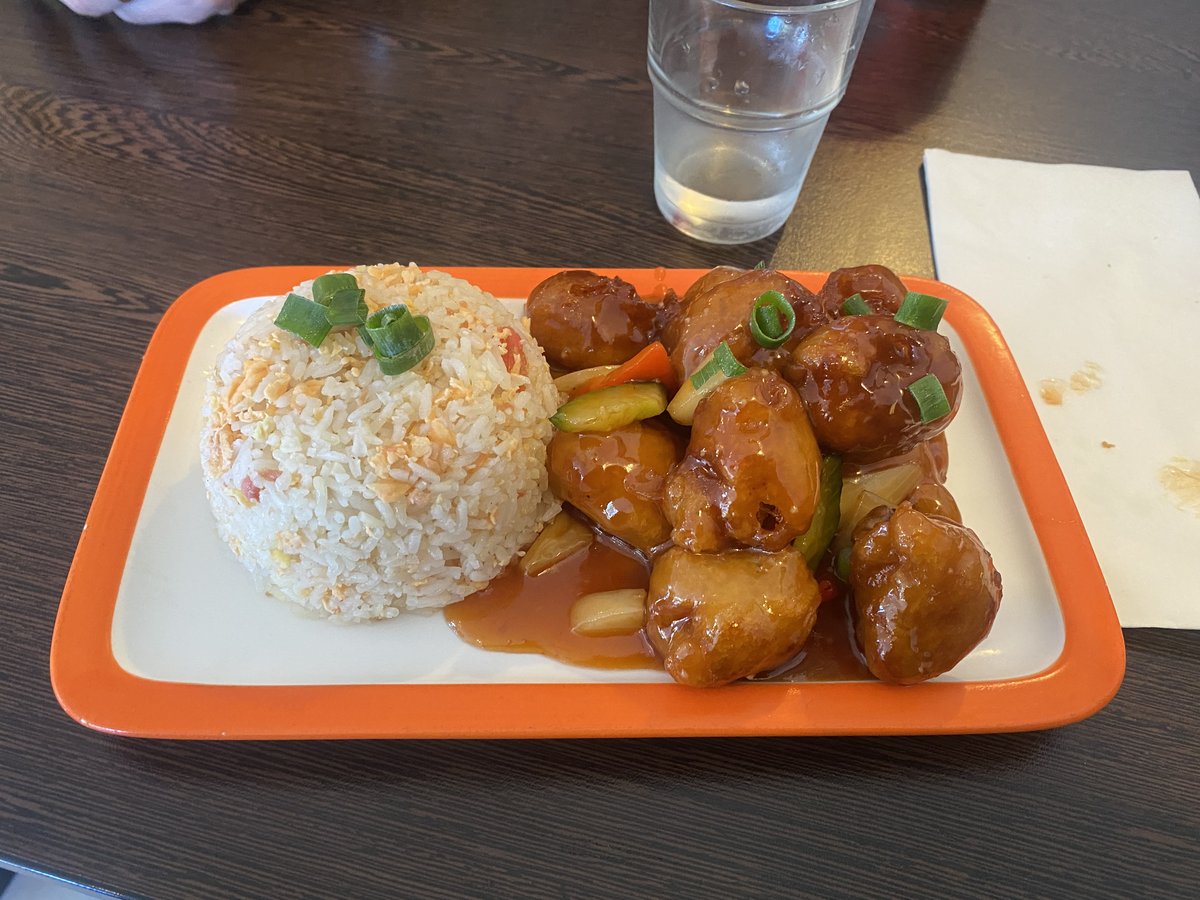
Two moments decide this dish. The first is the double fry: a first pass at 160°C (320°F) cooks the pork through and sets the batter, and a second at 190°C (375°F) drives out the remaining moisture and blisters the coating into something that shatters. Without the second fry, the crust goes soft the moment sauce touches it. The second moment is the sauce itself — it must be cooked fast, over high heat, for no more than 60 seconds. Vinegar is volatile; the longer it cooks, the flatter it tastes. The goal is a glaze that has thickened just enough to cling, while the vinegar is still sharp enough to make you blink.
Getting the Batter Right
- Cornstarch, not flour — cornstarch fries lighter and crisper, and it stays crisp longer
- A little water, not egg — a simple cornstarch-and-water slurry gives the thin, glassy shell this dish needs; egg makes it heavier
- Coat right before frying — a starch slurry sitting on the pork turns gluey within minutes
- Fry in small batches — crowding drops the oil temperature and produces greasy, pale pork
- Drain on a rack, not paper — paper traps steam and softens the crust from below
Ingredients and Where to Find Them
- Pork tenderloin — pork tenderloin, cut into strips; leaner and more tender than shoulder
- Chinkiang black vinegar — Chinkiang vinegar gives the mellow, malty sourness the sauce needs
- Cornstarch — cornstarch for both the batter and the sauce slurry
Also needed: ketchup or tomato paste (a small amount for color, used sparingly), sugar, light soy sauce, Shaoxing wine, garlic, ginger, and oil for frying. Sesame seeds are a traditional garnish.
How to Cook It
- Cut 500g (1.1 lb) pork tenderloin into 1cm strips; marinate 15 minutes with 1 tablespoon Shaoxing wine, 1/2 teaspoon salt, and 1 teaspoon light soy
- Mix the sauce: 3 tablespoons Chinkiang vinegar, 3 tablespoons sugar, 1 tablespoon ketchup, 1 teaspoon light soy, 1 teaspoon cornstarch, and 4 tablespoons water
- Coat the pork in a slurry of 6 tablespoons cornstarch and 6 tablespoons water, just before frying
- Heat oil to 160°C (320°F) and fry the strips in batches for 3 minutes until pale gold; drain on a rack
- Raise the oil to 190°C (375°F) and fry again for 60 seconds until deep gold and crisp; drain
- Pour off the oil, leaving 1 tablespoon; stir-fry garlic and ginger for 15 seconds
- Pour in the sauce and cook over high heat 30–60 seconds until glossy and thickened, then toss the pork through and serve immediately with sesame seeds
Variations
- Northeastern 锅包肉 — a different batter and a vinegar-forward sauce; see my Guo Bao Rou 锅包肉
- With chicken — chicken breast works identically; cut into strips and fry the same way
- With fish — a Zhejiang banquet version uses firm white fish in the same batter and sauce
- Less sweet — reduce the sugar to 2 tablespoons and add an extra teaspoon of vinegar for a sharper balance
Frequently Asked Questions
Why did my coating go soggy?
Either the pork was not double-fried, or it sat in the sauce too long. The second fry at 190°C (375°F) is what creates the moisture barrier; the sauce should be tossed through in under 30 seconds and served immediately. Do not let the pork sit in the sauce — this is not a braise.
What is the difference between this and takeout sweet and sour pork?
Takeout versions often use battered and deep-fried pork pieces with a heavy, overly sweet sauce. Tang Cu Li Ji uses tenderloin (leaner, more tender) and has a brighter, more vinegar-forward balance.
Can I make the sauce ahead?
Yes — mix the sauce up to a day ahead and refrigerate. Shake or stir before using, since the cornstarch settles. Cook it fresh at the last moment for the brightest vinegar flavor.
What vinegar should I use?
Chinkiang (black) vinegar is the best choice for its mellow, malty depth. Rice vinegar works if you want a sharper, cleaner tang. Do not use balsamic — it is too sweet and dark, and it will muddy the sauce’s color.
More Sweet-and-Sour & Cantonese Favorites
Love crisp, glossy Chinese classics? Try my Guo Bao Rou 锅包肉, the lacquered Honey Char Siu 蜜汁叉烧, or the crunchy Salt and Pepper Prawns 椒盐虾.
As an Amazon Associate, I earn from qualifying purchases. These are affiliate links at no extra cost to you.
1 Comment