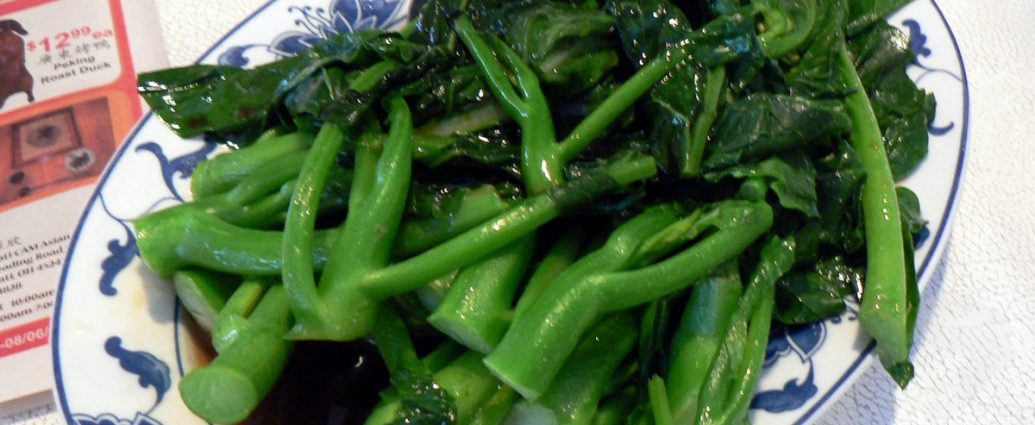
Oyster Sauce Broccoli (蚝油西兰花) is proof that the simplest dishes are often the best — crisp-tender broccoli florets tossed in a glossy, savory-sweet oyster sauce glaze with just a whisper of garlic. It is the vegetable dish that converts vegetable skeptics, and it goes from wok to table in under 5 minutes.
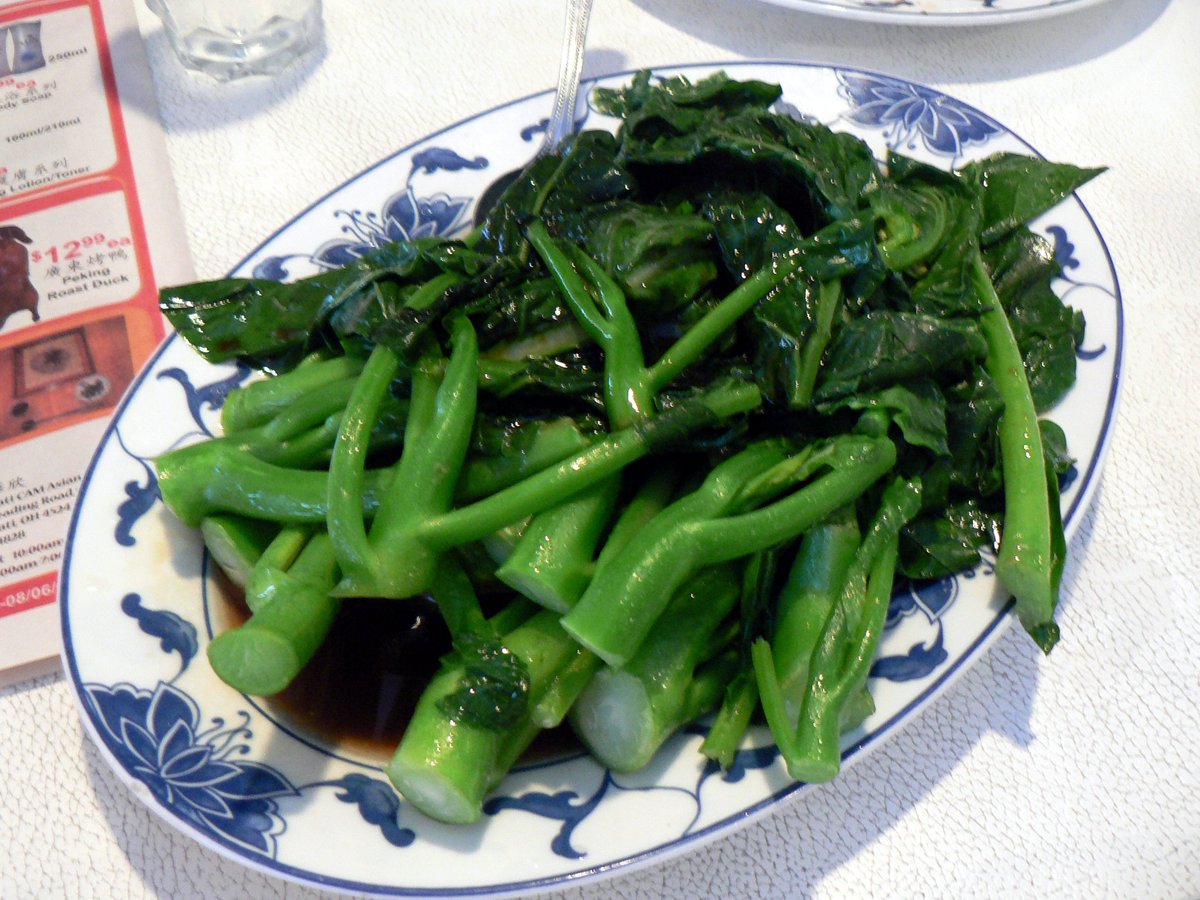
The pairing of broccoli with oyster sauce is a Cantonese innovation born in the mid-20th century, when Hong Kong chefs began dressing blanched greens with a glossy sauce made from oyster extract, soy, and sugar. The idea was simple: let the sauce’s briny, caramel-like depth flatter the vegetable instead of masking it. Today 蚝油西兰花 and its cousin 蚝油芥兰 (oyster sauce gai lan) are staples of Cantonese banquet tables, where they are served as the balancing green among richer meat and seafood courses.
This recipe comes from a Cantonese home cook who taught me that the key to perfect broccoli stir-fry is blanching the florets first — just 60 seconds in boiling water, then straight into the wok. This ensures the broccoli is vibrantly green, crisp-tender, and never overcooked.
The Green on a Cantonese Table
Cantonese meals are built on a structure, and vegetables hold a specific place in it. A banquet or family dinner will have a rich braise or a fried dish, a steamed fish, a soup, and always a green vegetable — 青菜 — served simply, usually blanched or stir-fried with garlic or oyster sauce. The green is not an afterthought; it is the balancing element that keeps a meal of rich dishes from becoming heavy. Cantonese cooks are particular about it: the vegetable must be bright, crisp, and lightly dressed, never limp or drowned. 蚝油西兰花 is one of the canonical forms of that idea, and its restraint is exactly why it works. The sauce is there to accent the broccoli’s sweetness and add a savory depth, not to hide it.
蚝油: The Cantonese Pantry Staple
- What it is — a thick, dark, savory-sweet sauce made from oyster extracts, salt, sugar, and starch
- Where it came from — a Cantonese invention of the late nineteenth century, and now one of the fundamental seasonings of the region’s cooking
- Quality varies enormously — a good oyster sauce tastes of the sea and caramel; a cheap one tastes of sugar and salt
- It is naturally thick — which is why a small amount is enough to glaze a whole plate of vegetables
- Balance it — a splash of water, a pinch of sugar, and a few drops of sesame oil keep it from being too salty or cloying
- Do not boil it hard — prolonged high heat dulls the oyster flavor; add it at the end and toss briefly
Blanch First, Wok Second
Blanching is the restaurant trick that home cooks often skip, and it makes a visible difference. Sixty seconds in well-salted boiling water with a drop of oil sets the chlorophyll, so the broccoli keeps a deep, polished green rather than turning dull olive in the wok. It also pre-cooks the stems — which take longer than the florets — so that by the time the broccoli hits the wok, everything is evenly done. The wok stage is then purely about the sauce: thirty to sixty seconds over high heat, just long enough to coat every floret in the glossy glaze.
Ingredients and Where to Find Them
- Oyster sauce — premium oyster sauce; the brand genuinely shows in this dish
- Broccoli — fresh broccoli, or gai lan for the classic Cantonese alternative
- Sesame oil — toasted sesame oil for the finishing note
Also needed: garlic, light soy sauce, sugar, cornstarch, Shaoxing wine, and a neutral oil. A few slices of ginger are optional but traditional.
How to Make It
- Cut 500g (1.1 lb) broccoli into even florets and peel the thick stems; cut the stems into batons
- Bring a large pot of well-salted water to a boil with a drop of oil; blanch the broccoli for 60–90 seconds, then drain immediately
- Mix the sauce: 2 tablespoons oyster sauce, 1 teaspoon light soy, 1 teaspoon sugar, 1 teaspoon Shaoxing wine, 1 teaspoon cornstarch, and 4 tablespoons water
- Heat a wok over high heat with 2 tablespoons oil and stir-fry 3 minced garlic cloves for 15 seconds
- Add the broccoli and toss for 30 seconds to coat in the garlic oil
- Pour the sauce down the side of the wok and toss for 30–45 seconds until every floret is glazed and glossy
- Finish with a few drops of sesame oil and serve immediately
Variations
- With gai lan (蚝油芥兰) — the more traditional Cantonese pairing; blanch 90 seconds
- With beef — the same sauce with velveted beef; see my Oyster Sauce Beef 蚝油牛肉
- With mushrooms — shiitake or oyster mushrooms stir-fried alongside; a common vegetarian version
- With a chili note — a few slices of fresh red chili or a drop of chili oil for heat
Frequently Asked Questions
Why did my broccoli turn dull and mushy?
It was overcooked — either blanched too long or left in the wok. Sixty seconds of blanching is enough, and the wok stage should be under a minute. Work quickly and serve immediately; broccoli softens as it sits.
Do I really need to blanch the broccoli?
For this dish, yes. Blanching guarantees an even, vibrant green and a crisp-tender bite, and it shortens the wok time so the sauce doesn’t overcook the florets. If you skip it, stir-fry in small batches over higher heat and add a splash of water to steam the stems.
What is the best oyster sauce?
Look for one with oyster extract high on the ingredient list and without excessive sugar. Premium brands cost a little more and taste noticeably better — in a dish this simple, the sauce is most of the flavor.
Can I make it vegetarian?
Traditional oyster sauce contains oysters. Vegetarian “oyster-style” sauces made from mushrooms are widely available and work well; add an extra pinch of sugar and a few drops of soy to round them out.
More Cantonese Vegetable & Home Dishes
Enjoying simple Cantonese cooking? Try my Stir-Fried Water Spinach 清炒空心菜, the classic Honey Char Siu 蜜汁叉烧, or the silky Oyster Sauce Beef 蚝油牛肉.
As an Amazon Associate, I earn from qualifying purchases. These are affiliate links at no extra cost to you.