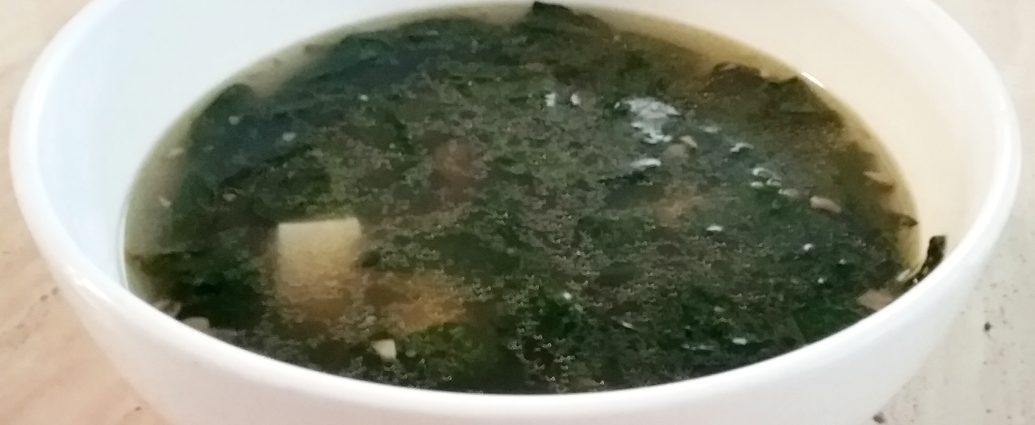
Patriotic Soup (护国菜), known as Hu Guo Cai, is one of Chaozhou cuisine’s most legendary dishes — a deep emerald soup of puréed sweet potato leaves (or spinach) thickened to a silky velvet, served with a spoon standing upright in the bowl as a sign of respect. Legend says it saved a Song Dynasty emperor, which is how it earned its name. Here is the classic recipe.
Patriotic soup (护国菜) is a legendary Chaozhou soup made from puréed sweet potato leaves or spinach in a rich mushroom broth, thickened to a silky emerald texture. It is traditionally served with a spoon standing upright in the bowl.
The legend is usually told like this: fleeing the advancing Yuan army in the 13th century, the young Song emperor was sheltered by monks at a temple in Chaozhou. With nothing but sweet potato leaves to offer, they boiled them into a humble green soup. The exhausted emperor found it delicious and asked its name; told it had none, he declared it 护国菜 — “the dish that protects the nation.” The story may be apocryphal, but the dish is real and is now a signature of Chaozhou cuisine, the refined cooking tradition of eastern Guangdong. What began as peasant food became a banquet showpiece, its humble greens transformed by technique into something silky, jade-colored, and elegant.
This recipe comes from a Chaozhou chef who taught me the essential technique: the greens must be blanched, shocked, and puréed to a fine paste, then slowly thickened with cornstarch until it is velvety — like a savory green custard. The mushroom broth gives it an earthy depth.
Blanch, Shock, Purée, Thicken
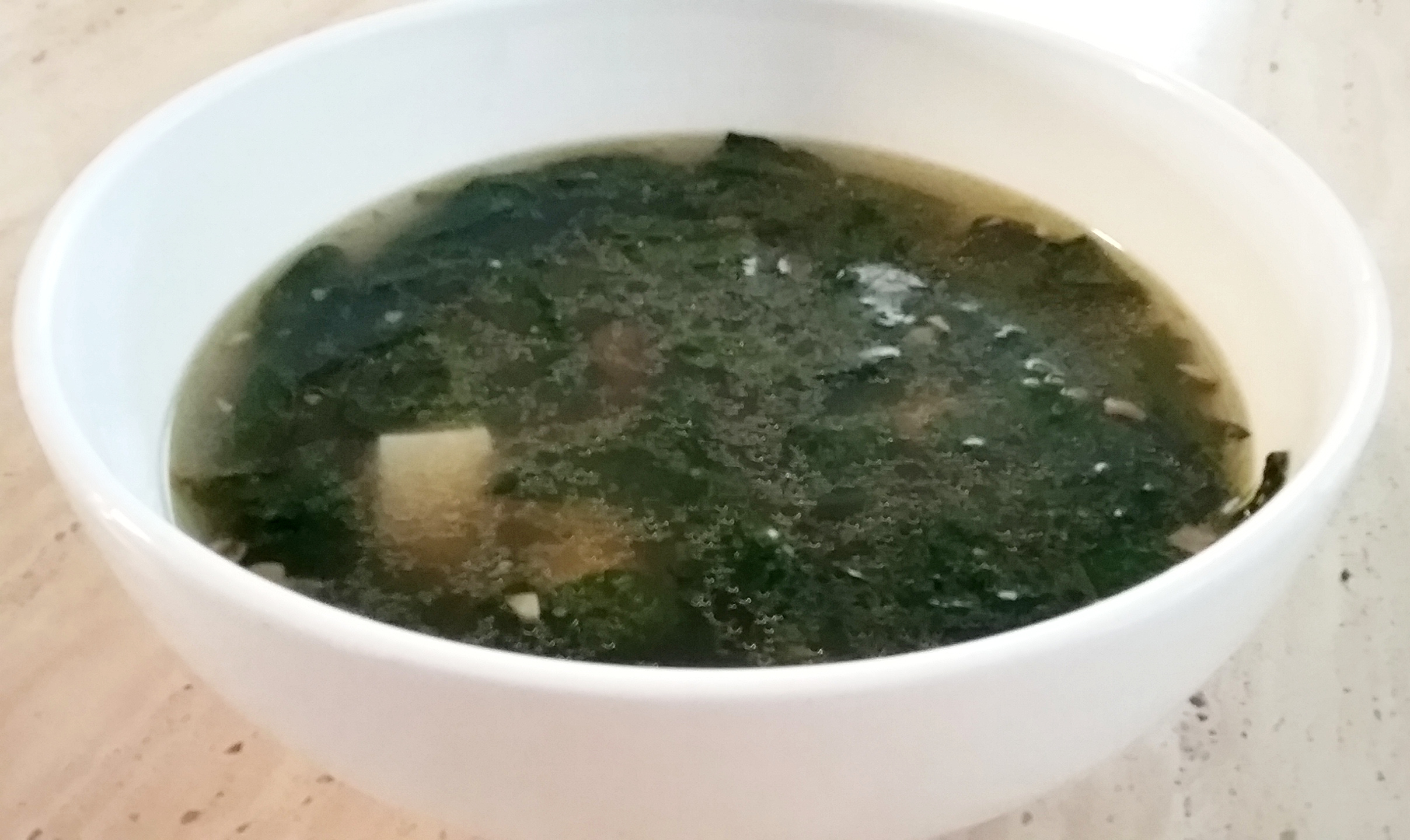
Four steps, and each one matters. Blanch the greens briefly to soften them and set the chlorophyll. Shock them in ice water immediately — this is what locks in the vivid emerald color, and skipping it produces a dull, olive soup. Purée until completely smooth; any fiber left behind will show up as lumps once the soup thickens. Thicken slowly with a cornstarch slurry, whisking constantly over low heat, until the soup coats a spoon like thin custard. The result should be smooth enough to pour in a continuous ribbon.
Why the Mushroom Broth
Sweet potato leaves are mild and slightly grassy — delicious, but not enough on their own to carry a soup. Chaozhou cooks build the base from dried shiitake, sometimes with a little soy bean or vegetable stock, which supplies the earthy, savory depth that makes the dish taste substantial despite being entirely vegetarian. The broth is strained before the purée goes in, so the finished soup is perfectly smooth.
Ingredients and Where to Find Them
- Sweet potato leaves or spinach — sweet potato leaves; baby spinach is the accessible substitute
- Dried shiitake mushrooms — dried shiitake for the broth
- Cornstarch — cornstarch for the silky thickening
Also needed: ginger, a little light soy sauce, salt, sugar, and sesame oil. Some versions add a spoonful of mushroom-flavored soy or a little vegetable stock concentrate for depth.
How to Make It
- Soak 6 dried shiitake in 800ml warm water for 30 minutes; simmer the soaking liquid with ginger for 15 minutes, then strain
- Blanch 400g (14 oz) sweet potato leaves or spinach in boiling water for 30 seconds
- Transfer immediately to ice water for 2 minutes, then drain and squeeze dry
- Blend the greens with 200ml of the mushroom broth until completely smooth
- Return the remaining broth to the pot, bring to a gentle simmer, and stir in the green purée
- Season with 1 teaspoon light soy, 1/2 teaspoon salt, and a pinch of sugar
- Whisk in a cornstarch slurry (2 teaspoons cornstarch + 2 tablespoons water) slowly and simmer 2 minutes until velvety; finish with a few drops of sesame oil and serve with a spoon standing in the bowl
Variations
- With spinach — the most common substitute; blanch for only 20 seconds since spinach is more tender
- With amaranth leaves — a Chaozhou variation using 苋菜, which gives an even deeper color
- With crab meat — a luxurious banquet version adds lump crab at the end
- With egg white — a thin ribbon of egg white stirred in at the last moment adds elegance
Frequently Asked Questions
Why is my soup lumpy?
The purée was not fine enough, or the cornstarch was added too fast. Blend the greens until completely smooth and whisk the slurry in slowly while stirring constantly.
Can I use regular spinach instead of sweet potato leaves?
Yes — baby spinach is the standard substitute outside China and works very well. Blanch it for only 20 seconds, since it wilts faster than sweet potato leaves, and squeeze it thoroughly dry before puréeing.
Why is the color not bright green?
The greens were not shocked in ice water, or the soup was boiled after puréeing. Chlorophyll dulls with heat and time. Shock the blanched greens immediately in ice water, and keep the soup at a bare simmer once the purée goes in — never a rolling boil.
What does the spoon standing up mean?
It is a traditional Chaozhou presentation: a spoon standing upright in the thick soup is both a display of the soup’s velvety body and a gesture of respect to the guest. It is one of the dish’s signature flourishes.
More Chinese Soups
Enjoying delicate Chinese soups? Try my Spinach Tofu Soup 菠菜豆腐汤, the peppery Hot and Sour Soup 酸辣汤, or the slow-simmered Winter Melon Pork Rib Soup 冬瓜排骨汤.
As an Amazon Associate, I earn from qualifying purchases. These are affiliate links at no extra cost to you.