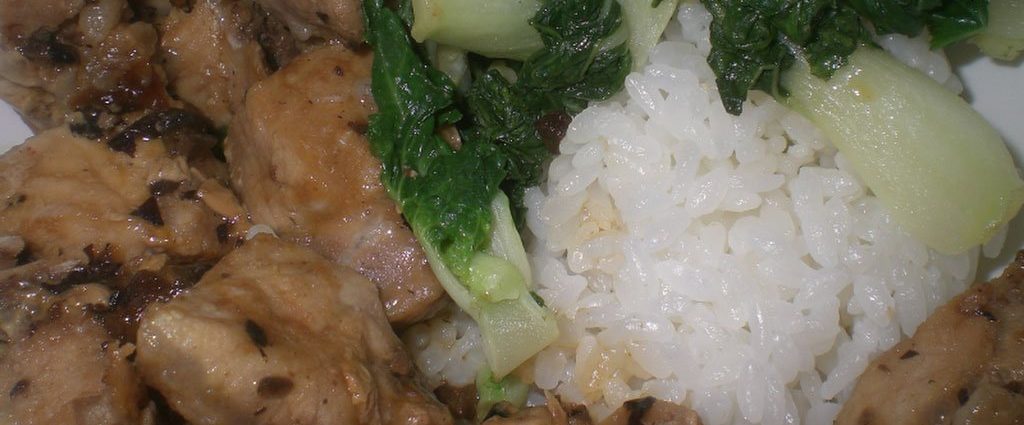
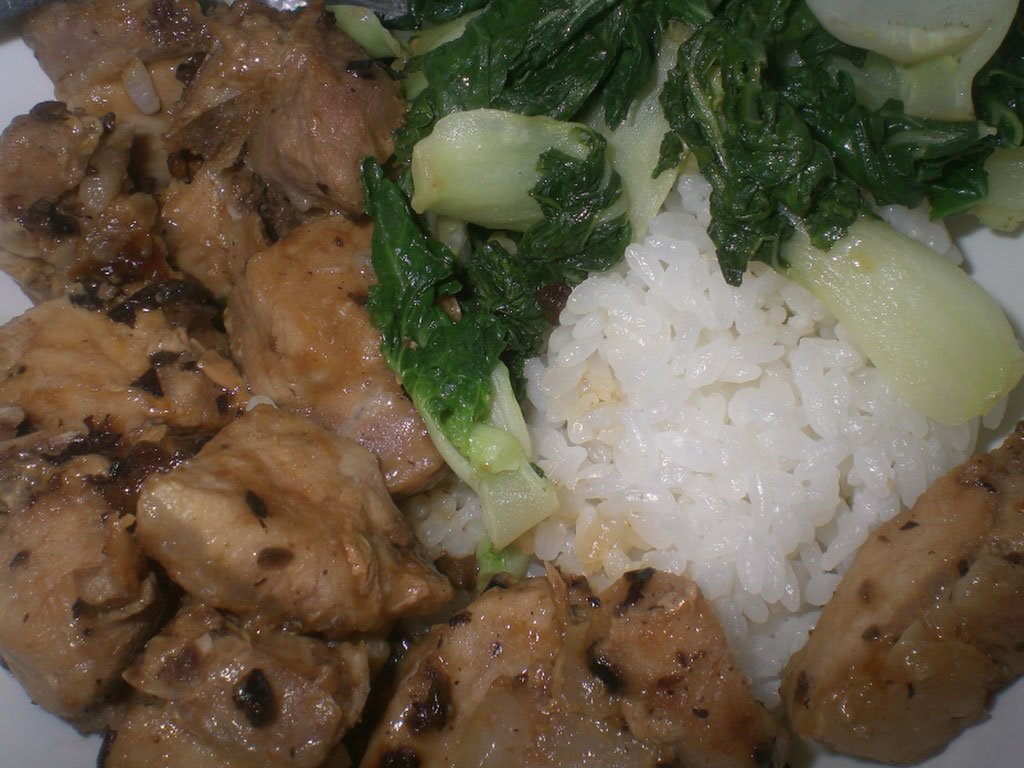
Steamed Ribs in Black Bean Sauce (豉汁蒸排骨) is a classic Cantonese dim sum dish that transforms humble pork ribs into something sublime — tender, fall-off-the-bone morsels perfumed with fermented black beans, garlic, and a touch of chili. Steaming keeps the ribs incredibly moist while the black bean sauce seeps into every crevice.
豉汁 (chǐ zhī) means “black bean sauce,” and it is one of the pillars of Cantonese dim sum cookery. The technique behind this dish — marinate, then steam — is deceptively simple but defines a whole category of 蒸 (steamed) dim sum: 豉汁蒸排骨, 豉汁蒸凤爪, 豉汁蒸鱼头. Steaming at high heat cooks the ribs gently and evenly, so the meat stays juicy while the marinade reduces into a glossy, savory sauce that pools in the dish. It is the dish that arrives first at a dim sum table, and the one that disappears fastest.
This recipe comes from a dim sum chef in Hong Kong who taught me that the secret to perfect steamed ribs is a 30-minute marinade with baking soda that tenderizes the meat without making it mushy, allowing the ribs to stay juicy through the steaming process.
Why the Baking Soda Marinade Works
Pork ribs are full of connective tissue, and steaming — unlike a long braise — does not give that tissue much time to break down. The Cantonese solution is a brief alkaline marinade: a small amount of baking soda raises the meat’s surface pH, which stops the muscle proteins from tightening and squeezing out moisture. The result is ribs that stay plump and tender in twenty minutes of steaming rather than two hours of braising. The key word is brief — 30 minutes is ideal. Leave them in too long and the exterior turns spongy and takes on a soapy taste, so always rinse the ribs well before adding the rest of the marinade.
Building the Black Bean Marinade
- Fermented black beans (douchi) — rinse and mash them; whole beans are too salty and coarse for a marinade
- Garlic and ginger — generous amounts; they mellow in the steam and perfume the whole dish
- Light soy, oyster sauce, Shaoxing wine — the seasoning backbone
- Cornstarch — a teaspoon or two binds the marinade to the ribs and gives the sauce body
- A little sugar and sesame oil — to round the saltiness and add aroma
- Optional chili — a few slices of red chili are traditional and give a gentle warmth
Ingredients and Where to Find Them
- Pork spare ribs — meaty pork spare ribs, cut into 3cm pieces by your butcher
- Fermented black beans — douchi (fermented black beans); the ones packed in oil are ready to use
- Oyster sauce — premium oyster sauce for the sauce’s savory depth
Also needed: garlic, ginger, light soy sauce, Shaoxing wine, cornstarch, sugar, sesame oil, and a red chili. Everything else is a pantry staple.
How to Cook It
- Cut 600g (1.3 lb) pork ribs into 3cm pieces and rinse in cold water for 10 minutes to remove blood
- Toss with 1 teaspoon baking soda and 2 tablespoons water; rest 30 minutes, then rinse thoroughly and pat dry
- Rinse and mash 2 tablespoons fermented black beans with 5 minced garlic cloves and 15g minced ginger
- Marinate the ribs 20 minutes with the black bean mixture, 1 tablespoon light soy, 1 tablespoon oyster sauce, 1 tablespoon Shaoxing wine, 1 teaspoon sugar, 1 teaspoon sesame oil, and 1 tablespoon cornstarch
- Spread the ribs in a single layer in a shallow heatproof dish; do not pile them up
- Steam over rapidly boiling water for 18–20 minutes until the meat is tender and the sauce is glossy
- Scatter with sliced red chili and scallions and serve immediately, straight from the dish
Variations
- With pumpkin or taro — a layer of cubed pumpkin or taro beneath the ribs soaks up the sauce and is a classic dim sum pairing
- Spicier version — add 1 teaspoon doubanjiang or a few snipped dried chilies to the marinade
- With black bean and chili oil — finish with a spoonful of chili oil before serving for a Sichuan-leaning twist
- Chicken version — the same marinade works beautifully on chopped chicken wings or bone-in thigh
Frequently Asked Questions
Why are dim sum ribs so tender?
Two things: the alkaline baking-soda marinade, which keeps the proteins from tightening, and the gentle, even heat of steaming. Together they give you ribs that are tender in twenty minutes without the long braise that a Western rib recipe would need.
Can I skip the baking soda?
You can, but the ribs will be noticeably chewier. If you prefer to avoid it, extend the marinade time to 2 hours with 1 tablespoon of grated pear or kiwi (natural tenderizers) and steam for 25 minutes instead.
What if I do not have fermented black beans?
There is no true substitute for the funky, savory depth of douchi, but a tablespoon of black bean garlic sauce from a jar is the closest convenience option. Do not substitute regular black beans — they are a completely different ingredient.
Can I make this ahead?
The ribs can be marinated up to 24 hours in advance. Steam just before serving. Leftover steamed ribs reheat well in a steamer for 5 minutes.
More Dim Sum Classics
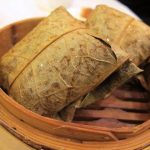
Build a dim sum spread with my Lo Mai Gai 糯米鸡, the pork and shrimp Shu Mai 烧卖, or the tender Chicken Feet 凤爪.
As an Amazon Associate, I earn from qualifying purchases. These are affiliate links at no extra cost to you.