
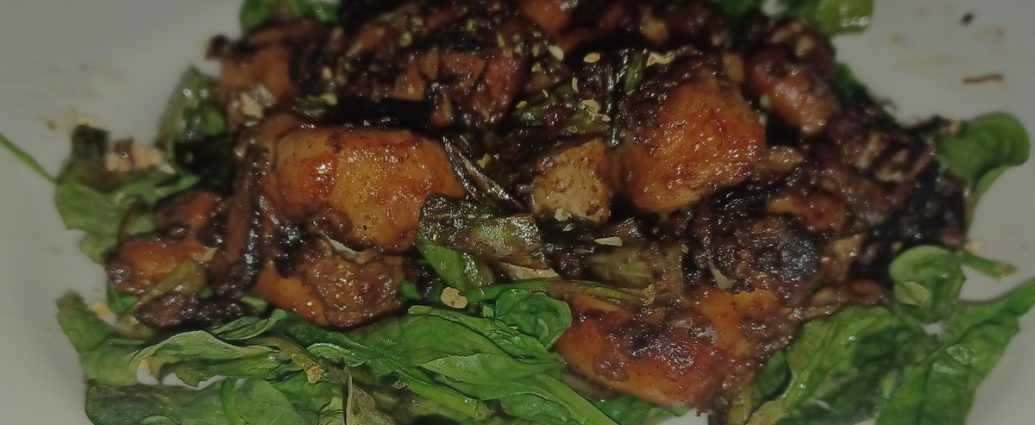
Sichuan Pepper Chicken (椒麻鸡) is a bold, numbing, and aromatic Sichuan classic — tender poached chicken bathed in a vibrant sauce of Sichuan peppercorns, chili oil, and fresh herbs. Unlike heavy braised dishes, this cold chicken dish is refreshing yet intensely flavorful, making it a perfect summer centerpiece.
The name says everything: 椒 (jiāo) for the peppercorns, 麻 (má) for the numbing tingle they deliver. Unlike 口水鸡, which leans on chili oil and sesame, 椒麻鸡 is built on a green, herbal sauce — fresh green Sichuan peppercorns or scallion-infused oil blended with the aromatics until it turns vivid emerald. The dish belongs to the cold-plate (凉菜) tradition of Sichuan banquets, where it opens the meal and wakes up the palate.
This recipe comes from Chengdu where the technique of “basting in ice water” after poaching creates chicken that is impossibly silky and tender — a technique called “white cutting” adapted with a fiery Sichuan twist.
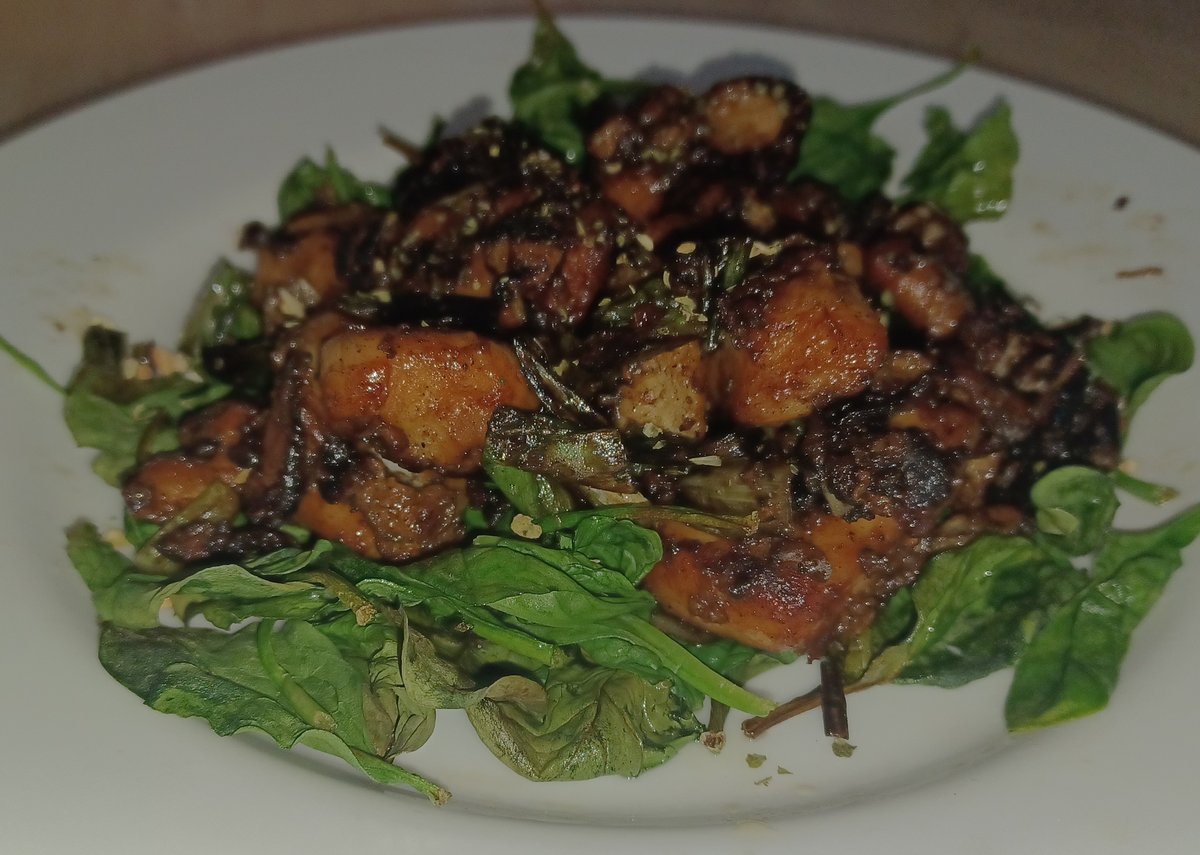
凉菜: The Cold Dishes That Open a Sichuan Meal
Sichuan banquet cooking is structured, and it begins with 凉菜 (liáng cài) — cold dishes, served before the hot courses. A traditional 凉菜 platter might include 椒麻鸡, 夫妻肺片, 口水鸡, and a cold vegetable or two, all arranged on small plates. The purpose is to wake up the palate: the cold temperature, the acid, and the numbing heat of the peppercorns prepare the mouth for what follows. 椒麻鸡 is one of the classic members of that group, and its distinguishing feature within it is the green, herbal quality of the sauce — where 口水鸡 is red and sesame-rich, 椒麻鸡 is emerald and sharp. Sichuan cooks treat the two as complementary rather than competing.
Fresh Green Peppercorns vs. Dried Red
- 藤椒 / 青花椒 (green peppercorns) — harvested young and often used fresh or oil-preserved; more floral, more citrusy, and brighter than the dried red ones
- Dried red Sichuan peppercorns — deeper, earthier, and more intensely numbing; the standard for 口水鸡 and hot dishes
- 椒麻 oil — made by blending green peppercorns or scallions with oil until vivid green; this is the heart of the sauce
- Freshness is critical — the numbing compound fades with time, so grind or blend just before serving
- Scallion and cilantro add the green — many versions blend scallion whites or cilantro into the oil for color and a fresh herbal note
- Do not over-blend — a coarse, slightly grainy sauce has more character than a smooth purée
The Ice-Water Bath
The chicken is poached gently — the same 白切 (white-cut) technique used in Cantonese cooking — and then plunged into ice water the moment it is done. Two things happen: the cooking stops instantly, so the meat never overshoots into dryness, and the skin contracts against the flesh, giving the characteristic firm, springy bite that cold chicken dishes depend on. The result is chicken that is silky and juicy even when served cold, which is a much harder thing to achieve than it sounds. Skip the ice bath and the chicken will be soft and slightly stringy.
Ingredients and Where to Find Them
- Green Sichuan peppercorns — green peppercorns (藤椒), fresh, frozen, or oil-preserved
- Sichuan chili oil — chili oil with sediment
- Shaoxing wine — Shaoxing wine for poaching
Also needed: bone-in chicken or chicken thighs, ginger, scallions, cilantro, garlic, light soy sauce, Chinkiang vinegar, sugar, sesame oil, and salt.
How to Make It
- Poach 800g (1.75 lb) bone-in chicken with ginger, scallions, and 1 tablespoon Shaoxing wine in barely simmering water for 25 minutes
- Plunge the chicken into ice water for 10 minutes, then drain, dry, and chop into pieces; reserve 4 tablespoons of the poaching liquid
- Make the 椒麻 oil: blend 2 tablespoons green peppercorns, 4 scallion whites, a handful of cilantro, 3 garlic cloves, and 4 tablespoons oil until coarse and vivid green
- Mix the sauce: the 椒麻 oil, 2 tablespoons chili oil, 1 tablespoon light soy, 1 tablespoon Chinkiang vinegar, 1 teaspoon sugar, 1 teaspoon sesame oil, and the reserved poaching liquid
- Arrange the chicken on a plate and spoon the sauce over, or toss the pieces in the sauce
- Chill at least 30 minutes so the chicken absorbs the seasoning
- Scatter with toasted sesame seeds and cilantro and serve cold
Variations
- With 藤椒油 — bottled rattan pepper oil as a shortcut; add it to the sauce rather than blending fresh peppercorns
- With chicken breast — poach 15 minutes instead; leaner but less juicy
- With cucumber — a layer of smacked cucumber beneath the chicken adds crunch and absorbs the sauce
- With more chili — increase the chili oil for a hybrid of 椒麻鸡 and 口水鸡
Frequently Asked Questions
Why is my 椒麻鸡 not numbing?
The peppercorns were old. The numbing compound degrades over time, so use fresh or frozen green peppercorns, or a good bottled 藤椒油, and add it shortly before serving. Dried peppercorns that have been in the cupboard for a year will taste flat.
What is the difference between 椒麻鸡 and 口水鸡?
Both are cold Sichuan chicken dishes. 口水鸡 is built on red chili oil with sesame, vinegar, and sugar — rich and savory. 椒麻鸡 is built on green peppercorns and herbs blended into an emerald oil — sharper, more floral, and more intensely numbing. They are complementary, and often served together.
Can I use chicken breast?
You can, but thigh or bone-in chicken is much better for a cold dish. Darker meat stays juicy after chilling, while breast dries out and tastes flat without heat to mask it.
How long does it keep?
Kept covered in the fridge, it keeps 2–3 days and improves overnight as the chicken absorbs the sauce. Bring it out 20 minutes before serving and taste for salt — the seasoning mellows as it sits.
More Sichuan Cold Dishes & Classics
Love the mala style? Try my Mouthwatering Chicken 口水鸡, the classic Bo Bo Chicken 钵钵鸡, or the aromatic Fu Qi Fei Pian 夫妻肺片.
As an Amazon Associate, I earn from qualifying purchases. These are affiliate links at no extra cost to you.
1 Comment