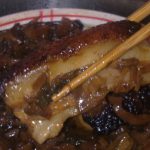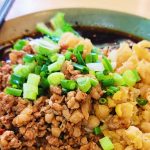
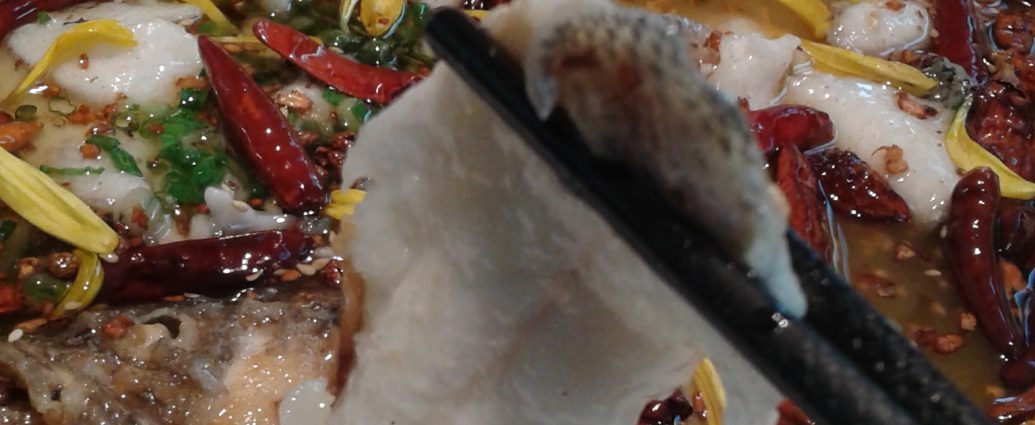
Sour Cabbage Fish (酸菜鱼) is one of Sichuan cuisine’s most beloved fish dishes — silky, tender fish fillets poached in a tangy, savory broth made from pickled mustard greens (suan cai). The sourness of the pickles balances the gentle heat of the chilies, creating a broth that is refreshing, warming, and completely addictive. Here is the authentic Sichuan method.
Sour cabbage fish (酸菜鱼) is a Sichuan dish of white fish fillets poached in a tangy broth of pickled mustard greens, chili peppers, and Sichuan peppercorns. The pickles give the broth a distinctive sour note, while the fish stays silky and tender.
酸菜鱼 is a relatively modern dish — it emerged in the Chongqing and Sichuan region in the 1990s and spread across China with remarkable speed, becoming one of the most ordered dishes in the country within a decade. It belongs to the 江湖菜 tradition: bold, informal dishes invented in small restaurants rather than banquet halls. The name 酸菜 refers to pickled mustard greens, not cabbage — a translation quirk that has stuck in English. The pickles are the point: salted and fermented, they bring a lactic sourness that cuts through the richness of the fish and the oil, giving the dish a brightness that pure chili heat cannot achieve.
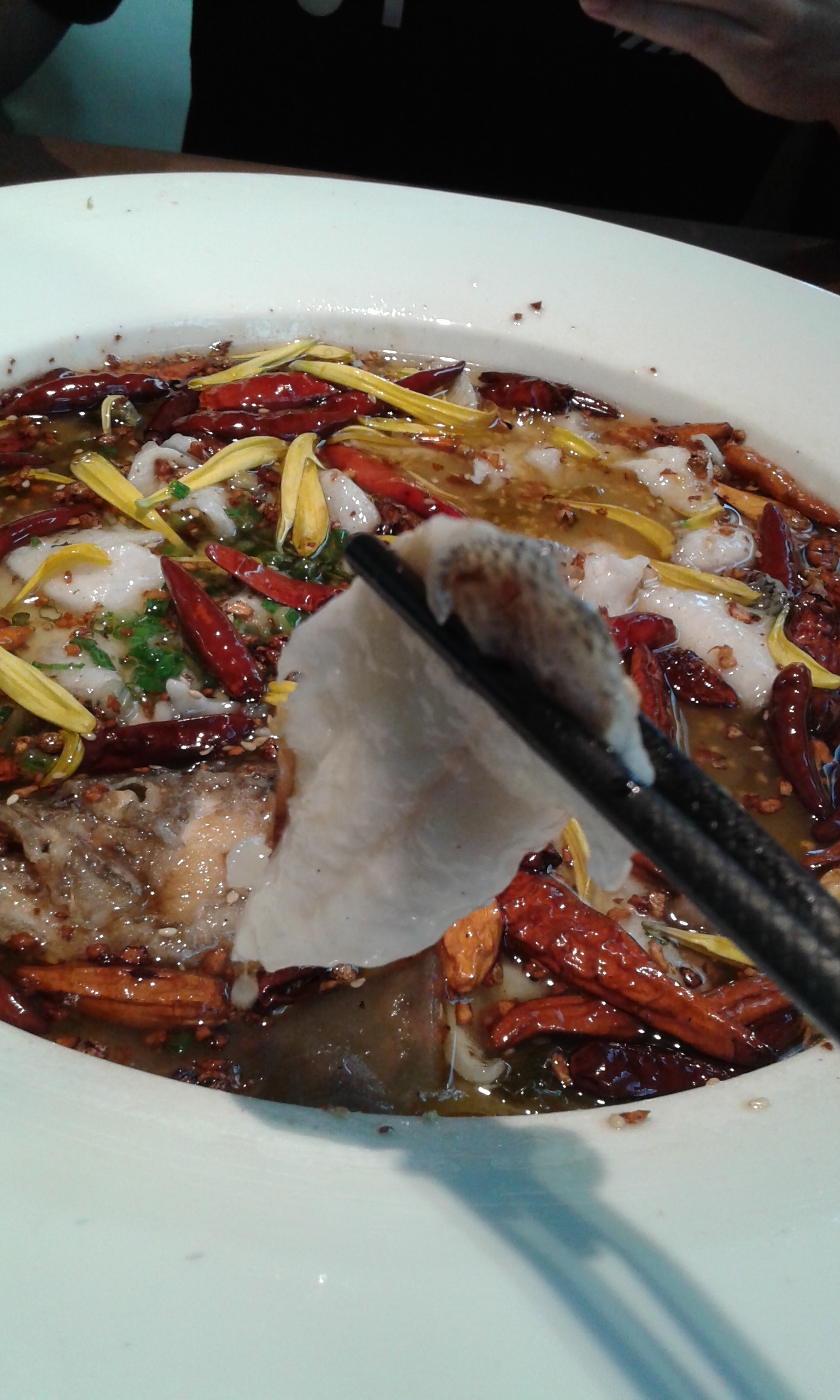
This recipe comes from a Sichuan restaurant chef who taught me the essential technique for silky fish: the fillets are marinated with salt, egg white, and cornstarch — then gently poached in the broth just until opaque. Overcooking by even 30 seconds turns them rubbery.
The Pickles Do the Work
酸菜 (suan cai) is pickled mustard green — the same vegetable family as the Cantonese 酸菜 and the northeastern 酸菜, salted and fermented until it turns tangy, slightly funky, and deeply savory. It is what separates this dish from Shui Zhu Yu 水煮鱼: where that dish is all chili-oil heat, this one leads with sourness. The pickles are stir-fried first to release their aroma and acidity, then the broth is built on them, and finally the fish is poached in that broth. The flavor is layered rather than flat, and the broth is genuinely drinkable — many diners ladle it over rice at the end.
Keeping the Fish Silky
- Egg white and cornstarch marinade — the same velveting technique used across Chinese cooking; it protects the fish from heat
- Slice on the bias, about 5mm thick — thin enough to cook in seconds, thick enough to hold together
- Poach at a bare simmer — the fish goes in when the broth is barely bubbling and comes out in two to three minutes
- Do not stir — push the fillets gently with a ladle instead; stirring breaks them apart
- Plate the fish, then pour the broth over — this keeps the fillets intact and the presentation clean
Ingredients and Where to Find Them
- Pickled mustard greens (酸菜) — suan cai, rinsed and cut into pieces
- White fish fillets — basa or tilapia fillets, sliced on the bias
- Sichuan peppercorns — whole Sichuan peppercorns for the numbing finish
Also needed: pickled chilies (泡椒) or dried chilies, doubanjiang, garlic, ginger, scallions, egg white, cornstarch, Shaoxing wine, chicken stock, and a generous amount of oil. Vermicelli or enoki mushrooms are common additions beneath the fish.
How to Make It
- Slice 600g (1.3 lb) white fish on the bias into 5mm pieces; marinate 20 minutes with 1 egg white, 2 tablespoons cornstarch, 1 tablespoon Shaoxing wine, and 1 teaspoon salt
- Rinse 300g (10.5 oz) suan cai and cut into 3cm pieces; squeeze dry
- Heat 3 tablespoons oil and stir-fry the suan cai with pickled chilies, 1 tablespoon doubanjiang, garlic, and ginger for 3 minutes until fragrant
- Add 1 liter chicken stock and simmer 10 minutes to build the broth; season with 1 teaspoon sugar and salt to taste
- Slide in the fish fillets and poach at a bare simmer for 2–3 minutes until just opaque
- Lift the fish and pickles into a serving bowl and pour the broth over
- Mound 20g dried chilies and 1 teaspoon Sichuan peppercorns on top; heat 100ml oil until smoking and pour over the aromatics; scatter with scallions and serve
Variations
- With fish head and bones — simmer the head and bones in the broth first for a richer, more traditional base
- With vermicelli — a layer of glass noodles beneath the fish soaks up the tangy broth
- Milder version — reduce the chilies and skip the final oil pour; the sour broth carries the dish on its own
- With chicken — the same broth with sliced chicken thigh makes 酸菜鸡, a popular variation
Frequently Asked Questions
What is 酸菜 (suan cai)?
Pickled mustard greens — a salted, fermented vegetable used across China. Despite the English name “sour cabbage,” it is made from mustard greens rather than cabbage. It provides the dish’s signature tangy, savory depth.
Why did my fish turn rubbery?
It was overcooked. White fish fillets need only two to three minutes at a bare simmer. Marinate them with egg white and cornstarch, keep the broth barely bubbling, and pull them the moment they turn opaque.
Can I use a different fish?
Yes — any firm white fish works: tilapia, sole, cod, or sea bass. Avoid oily fish like mackerel and very delicate fish like flounder, which fall apart in the broth.
Is the broth meant to be drunk?
Absolutely — the sour, warming broth is half the pleasure. Many people ladle it over rice or drink it like soup.
More Sichuan Favorites
Love Sichuan cooking? Try my Shui Zhu Yu 水煮鱼, the fiery Mao Xue Wang 毛血旺, or the classic Mapo Tofu 麻婆豆腐.
As an Amazon Associate, I earn from qualifying purchases. These are affiliate links at no extra cost to you.