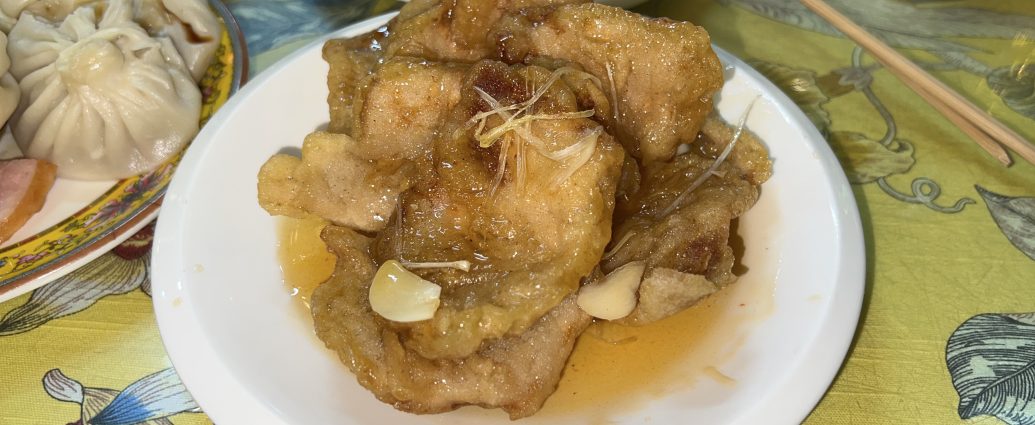
Guobaorou (锅包肉) is the pride of Northeast China (Dongbei) — slices of pork loin double-fried until shatteringly crisp, then tossed in a glossy sweet-and-sour sauce that crackles as it hits the hot pork. Every bite delivers a loud crunch, a bright vinegar tang, and just enough sweetness to keep you reaching for more.
The dish was born in Harbin around 1907, when a local chef adapted a classic Qing dynasty frying technique to please the Russian traders in the city, swapping heavy soy sauce for a lighter sweet-and-sour glaze. That is why Guobaorou differs from the red, ketchup-style sweet and sour pork of southern China — authentic Dongbei versions are pale gold, with a clear sauce that sparkles like glass. This recipe stays true to that original Harbin style.
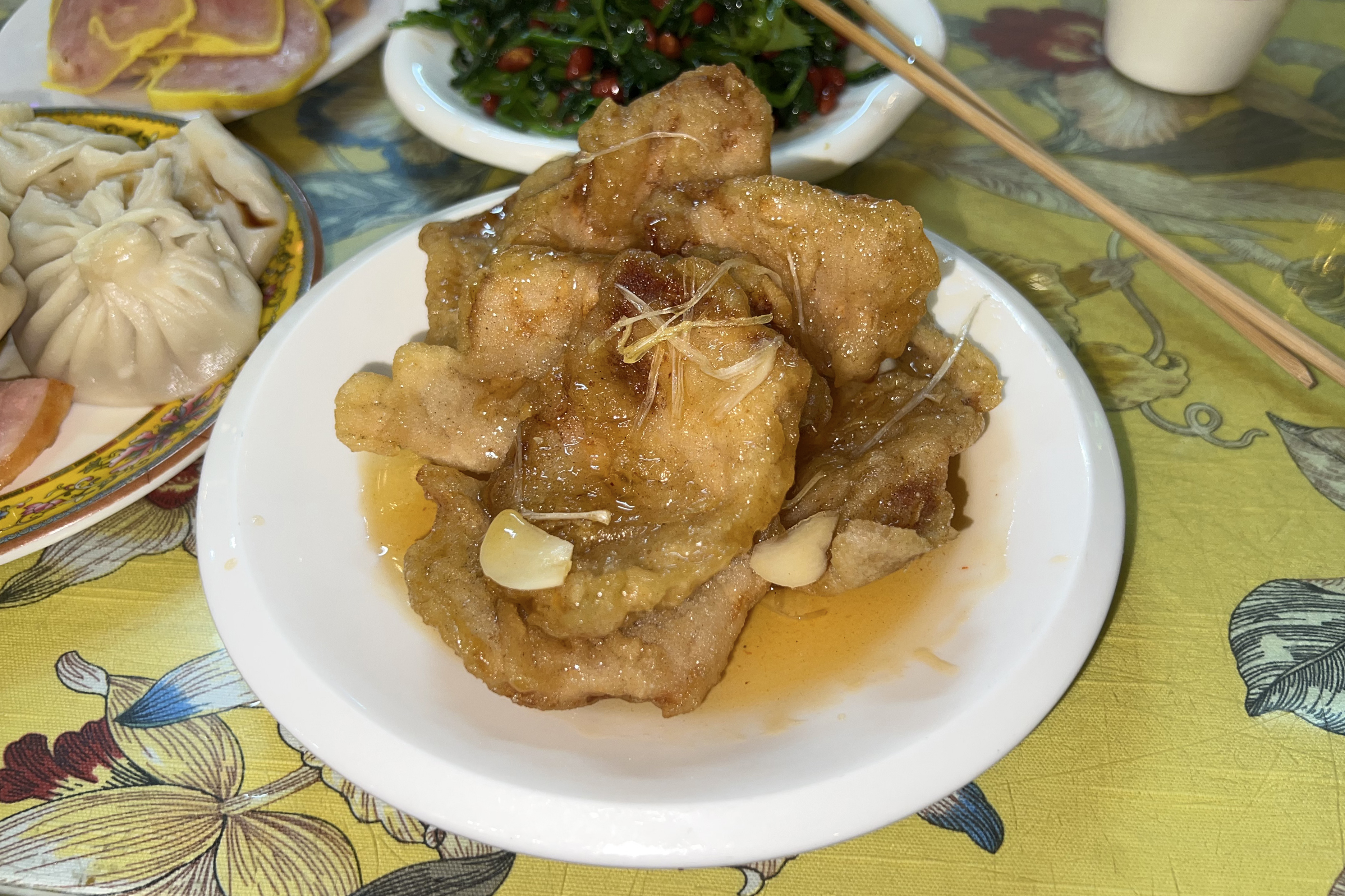
Photo: N509FZ via Wikimedia Commons, CC BY-SA 4.0
The Story Behind the Name
Harbin in the early twentieth century was a cosmopolitan city with a large Russian population, and its restaurants served both Chinese and Western diners. The dish is credited to 郑兴文, a chef working in the city’s official kitchens, who was asked to create something that would suit foreign palates. His solution kept the northern technique — 锅爆 (flash-frying in a hot wok) — but replaced the salty-savory seasoning with sugar and vinegar, producing something closer to a European sweet-and-sour sauce. The name shifted from 锅爆肉 to 锅包肉 as the technique spread. It is one of the clearest examples in Chinese cooking of a regional dish created by cultural contact.
The 番茄酱 Debate
Ask a Northeasterner about 锅包肉 and you may start an argument. The original Harbin style uses white vinegar and sugar, giving a pale, translucent, glassy glaze. Later versions — particularly in Liaoning and in many restaurants outside the northeast — add tomato ketchup, producing a red, thicker sauce. Traditionalists consider the ketchup version inauthentic; others grew up with it and prefer it. Both are delicious. This recipe follows the Harbin original, because the pale glaze is what makes the dish distinctive and shows off the crust.
Potato Starch and the Double Fry
- Potato starch, not cornstarch or flour — it is what produces the glassy, shattering crust; other starches give a softer, breadier coating
- Let the batter rest — 20 minutes after mixing, so the starch hydrates and coats evenly
- First fry at 160°C (320°F) — cooks the pork through and sets the coating
- Second fry at 190°C (375°F) — drives out moisture and blisters the crust into that signature crackle
- Toss the sauce in a separate hot wok — the pork goes in for seconds only; a long toss softens the crust
- Serve immediately — 锅包肉 is at its peak for about five minutes, and the crunch fades after that
Ingredients and Where to Find Them
- Pork loin or tenderloin — pork loin, sliced into thin medallions
- Potato starch — potato starch, the key to the crust
- Rice vinegar or white vinegar — rice vinegar for the clear glaze
Also needed: sugar, light soy sauce, Shaoxing wine, ginger, garlic, scallions, carrots, cilantro, salt, and oil for frying. The traditional garnish is julienned carrot, ginger, and cilantro.
How to Make It
- Slice 400g (14 oz) pork loin into 5mm medallions and flatten lightly; marinate 15 minutes with 1 tablespoon Shaoxing wine, 1 teaspoon salt, and ginger
- Mix 120g potato starch with 100ml water and 1 tablespoon oil into a thin batter; rest 20 minutes
- Make the sauce: 4 tablespoons rice vinegar, 3 tablespoons sugar, 1 tablespoon light soy, 1 teaspoon Shaoxing wine, and a pinch of salt
- Heat oil to 160°C (320°F); coat each pork slice in the batter and fry 3 minutes until pale and set; drain
- Raise the oil to 190°C (375°F) and fry again 60–90 seconds until deep golden and crisp; drain on a rack
- In a separate wok, stir-fry ginger, garlic, and julienned carrot for 30 seconds, then pour in the sauce and reduce 30 seconds until syrupy
- Toss the fried pork through the sauce for 10 seconds, add cilantro and scallions, and serve at once
Variations
- With ketchup (Liaoning style) — add 2 tablespoons tomato ketchup to the sauce for the red version
- With chicken (锅包鸡) — chicken breast works with the same batter and sauce
- With pineapple — a sweeter, fruitier variation popular in some restaurants
- With a honey glaze — replace some sugar with honey for a softer, more floral sweetness
Frequently Asked Questions
Why did my 锅包肉 lose its crunch?
The sauce was too wet, or the pork sat in it too long. Reduce the sauce until it is syrupy before adding the pork, toss for only ten seconds, and serve immediately. The double fry also matters — skipping the second fry at high heat leaves the crust soft.
Can I use cornstarch instead of potato starch?
You can, but the crust will be softer and less glassy. Potato starch is what gives 锅包肉 its distinctive shattering texture, and it is worth seeking out — it is inexpensive and widely available.
Why is my version red when the authentic one is pale?
You used ketchup. The original Harbin style uses only sugar and white vinegar, producing a pale, translucent glaze. The red version is a later regional variation. Both are legitimate, but the pale glaze is the traditional one.
Can I make it ahead?
You can fry the pork ahead and re-crisp it in a hot oven for 5 minutes, but the sauce must be made at the last moment. Do not sauce the pork in advance — it softens within minutes.
More Stir-Fry Classics to Try
Explore more stir-fry favorites: my Tang Cu Li Ji 糖醋里脊, the rich Hong Shao Rou 红烧肉, or the homestyle Moo Shu Pork 木须肉.
As an Amazon Associate, I earn from qualifying purchases. These are affiliate links at no extra cost to you.