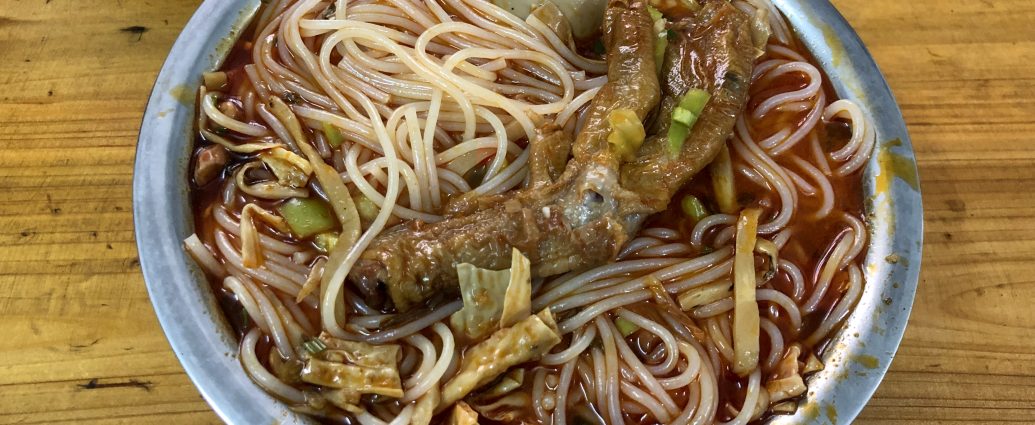
Luosifen (螺蛳粉) is the rebel of Chinese noodle culture: a bowl of rice noodles from Liuzhou, in Guangxi, famous for a pungent, earthy aroma that divides diners before the first bite — and hooks them for life after. Fermented bamboo shoots give the broth its signature “fragrant” smell (locals insist it is fragrance, not stink), while river snails, pickled chilies, and roasted peanuts build a broth that is sour, spicy, savory, and addictive all at once.
The dish began as a humble street breakfast in Liuzhou in the 1970s and has exploded into a national phenomenon, with instant Luosifen packets rivaling instant ramen in popularity. The name comes from 螺蛳 (luósī, river snails) and 粉 (fěn, rice noodles). This recipe recreates the classic bowl at home — including the sour bamboo shoots that make it unmistakably Luosifen.
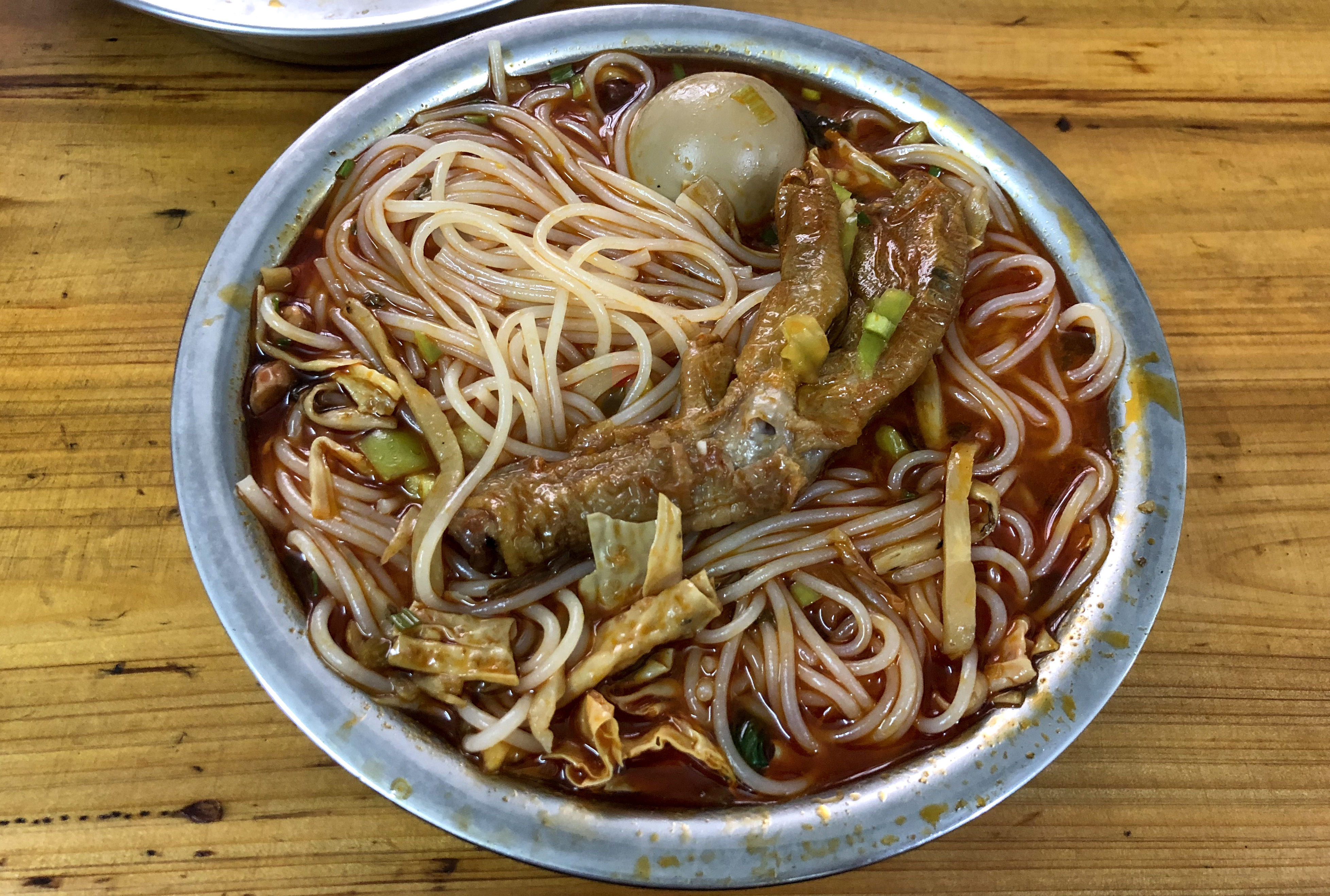
Photo: N509FZ via Wikimedia Commons, CC BY-SA 4.0
The Aroma Is the Signature
螺蛳粉 is defined by 酸笋 — fermented bamboo shoots, made by packing fresh bamboo shoots in salt water and leaving them to ferment. The process produces the volatile compounds responsible for the dish’s notorious smell, which has been compared to everything from ripe cheese to a gymnasium. And yet the same compounds are what give the broth its depth: without 酸笋, you can make a perfectly pleasant snail noodle soup, but it will not be 螺蛳粉. In Liuzhou, the smell is a point of civic pride — the city’s residents describe it as 香 (fragrant) rather than 臭 (stinky), and visitors are expected to make their own judgment. If you have eaten fermented tofu, kimchi, or aged cheese and enjoyed them, you already understand the principle.
The Broth: Snails and Bones
- River snails — 螺蛳 are small freshwater snails, used for the broth rather than the meat; they contribute a distinctive savory, slightly mineral depth
- Pork bones — simmered alongside the snails for body and richness
- 酸笋 (fermented bamboo shoots) — the aromatic backbone; non-negotiable
- Pickled chilies and chili oil — for the sour heat that defines the bowl
- A long, slow simmer — several hours, until the broth turns opaque and deeply savory
- No shortcut on the fermentation — jarred 酸笋 is entirely acceptable and far more practical than fermenting at home
The Toppings
Half the pleasure of a bowl of Luosifen is the pile of garnishes on top, and a Liuzhou shop will offer a long list. The essentials are 酸笋, pickled green beans or 酸豆角, roasted peanuts, fried tofu skin (腐竹), and a handful of blanched greens. Many versions add 木耳 (wood ear), 黄花菜 (daylily), and a spoonful of chili oil. The rice noodles themselves are round, slightly chewy, and cooked just before serving — they should still have bite.
Ingredients and Where to Find Them
- Fermented bamboo shoots — suan sun (酸笋), the essential ingredient
- Dried rice noodles — round rice noodles, soaked before cooking
- Fried tofu skin — fried tofu skin (腐竹)
Also needed: river snails or a substitute, pork bones, pickled chilies, dried chilies, chili oil, garlic, ginger, star anise, pickled green beans, roasted peanuts, wood ear, and leafy greens.
How to Make It
- Soak 300g (10.5 oz) dried rice noodles in warm water for 40 minutes
- Simmer 1kg (2.2 lb) pork bones with ginger and star anise in 3 liters water for 2 hours
- Add 500g cleaned river snails and 100g 酸笋; simmer another 45 minutes, then strain and season with salt
- Make the chili oil: fry dried chilies, garlic, and ginger in oil, then stir in pickled chilies and 2 tablespoons chili flakes
- Prepare the toppings: blanch greens, rehydrate wood ear, and fry tofu skin until crisp
- Cook the soaked noodles in boiling water for 2 minutes; drain and place in a bowl
- Ladle over the hot broth, top with 酸笋, pickled beans, peanuts, tofu skin, greens, and a spoonful of chili oil; serve immediately
Variations
- Vegetarian — skip the snails and bones; use mushroom and kombu stock with extra 酸笋 for depth
- With beef — sliced braised beef added as an extra topping
- Dry-tossed (干捞) — noodles tossed in the sauce without broth; intense and popular in Liuzhou
- Extra sour — a splash of rice vinegar and more pickled beans
Frequently Asked Questions
Why does Luosifen smell so strong?
The smell comes from 酸笋 — fermented bamboo shoots — which develop volatile sulfurous compounds during fermentation, the same family of aromas found in aged cheese and kimchi. They are also what give the broth its depth. Without them, it is not Luosifen.
Can I make it without the snails?
Yes. The snails contribute savoriness to the broth, but a mushroom-and-bone stock with plenty of 酸笋 and pickled chilies makes an excellent vegetarian version. The signature aroma comes from the bamboo shoots, not the snails.
Where do I buy fermented bamboo shoots?
Jarred 酸笋 is sold in Chinese groceries and online, usually in the preserved vegetables section. It keeps for months in the refrigerator once opened. Making it at home takes several weeks and is not necessary.
How spicy is Luosifen?
It is moderately to very spicy. Use less chili flakes and chili oil for a milder bowl, and add more vinegar for brightness. The sour bamboo shoots are non-negotiable, but the heat is entirely adjustable.
More Noodle Bowls to Try
Love a great bowl of noodles? Try my Hunan Rice Noodles 湖南米粉, the fiery Chongqing Small Noodles 重庆小面, or the sesame-rich Hot Dry Noodles 热干面.
As an Amazon Associate, I earn from qualifying purchases. These are affiliate links at no extra cost to you.