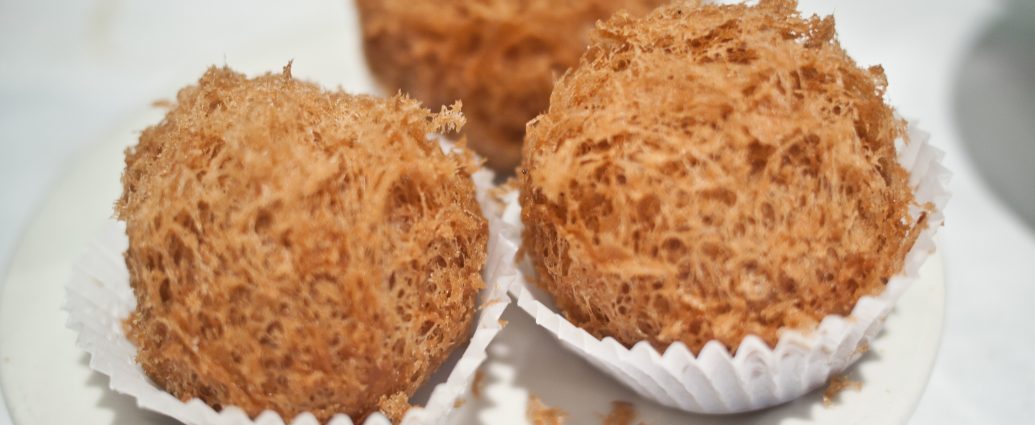
Woo Gok (蜂巢芋角) is the quiet showstopper of the dim sum trolley — a golden, deep-fried taro dumpling whose crust shatters into delicate, honeycomb-like threads (the 蜂巢 “beehive” in its name) to reveal a savory filling of pork, shrimp, and mushroom. Few dim sum dishes demand more technique, and none rewards it with a more spectacular texture.
芋角 (yù jiǎo) means “taro dumpling,” and its dough is made from mashed taro mixed with wheat starch and hot water until smooth and pliable. When the filled dumplings hit hot oil, the moisture in the taro dough erupts into hundreds of crisp, lacy strands — the signature woo gok crust. This recipe walks through the full technique so you can recreate the dim sum classic at home, including the all-important oil temperature for that crispy honeycomb shell.
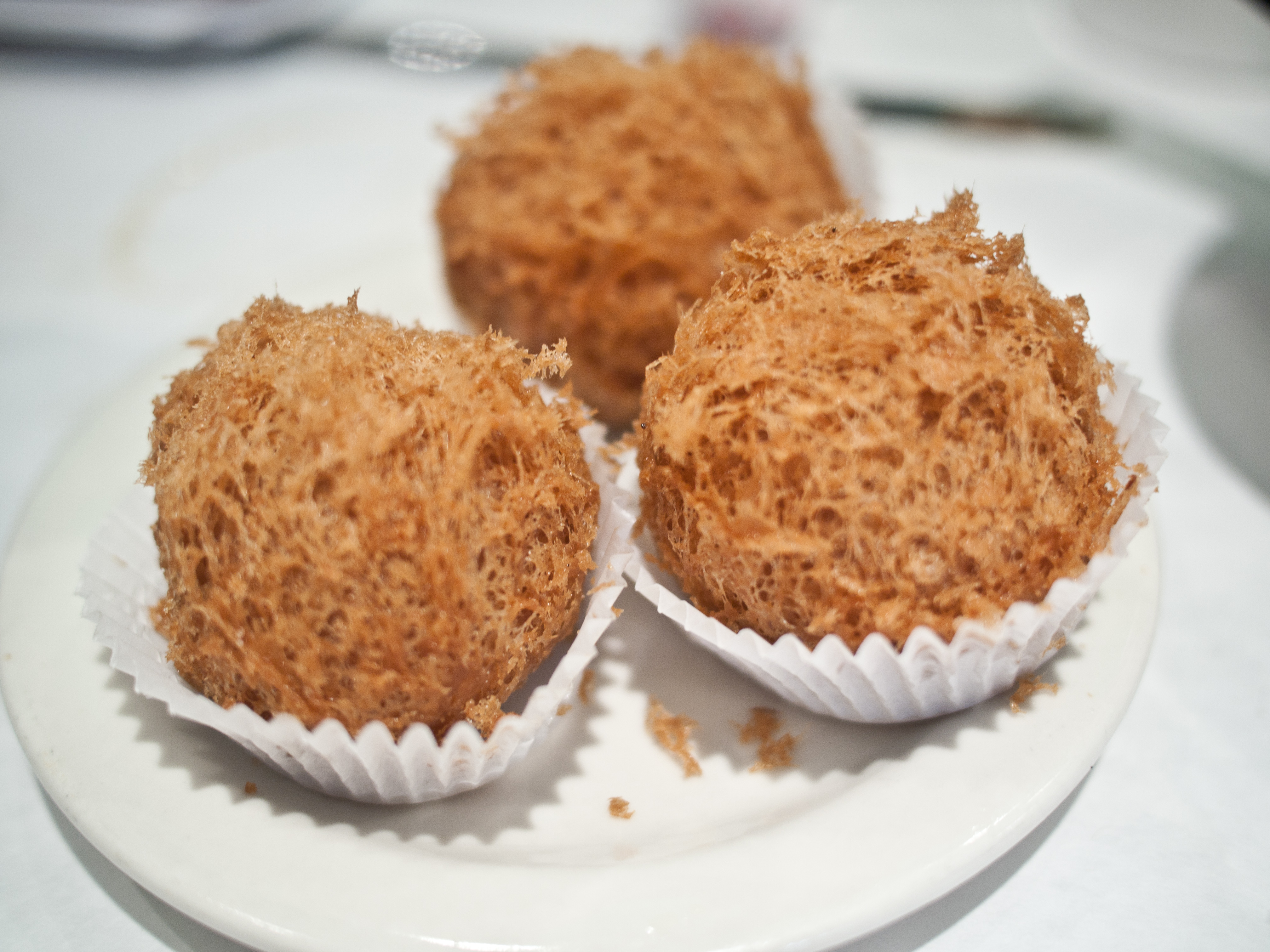
Photo: Li Wah Dim Sum via Wikimedia Commons, CC BY-SA 2.0
Why the Crust Explodes into Honeycomb
The honeycomb effect is physics, not decoration. The dough is a mixture of mashed taro, wheat starch, and a small amount of fat, bound together with hot water. When a filled dumpling goes into hot oil, the water trapped in the dough turns to steam and pushes outward. Because the taro-starch matrix is soft and slightly elastic, it stretches rather than splitting, and the surface puffs into hundreds of tiny bubbles that fry solid — leaving a lattice of crisp threads. Three variables control the result: the moisture content of the dough (too dry and there is no steam; too wet and it collapses), the oil temperature (too hot and the surface sets before it can expand; too cool and it absorbs oil), and the resting time before frying, which lets the surface dry slightly so it blisters properly.
Taro in Cantonese Cooking
- Taro is a staple, not an exotic — it appears in dim sum, braises, and desserts across Guangdong and the wider south
- Choose the right taro — small, heavy, hairy-skinned 荔浦 taro is prized for its dense, dry, nutty flesh
- Steam, don’t boil — boiling waterlogs the flesh and makes the dough slack; steaming keeps it dry and starchy
- Mash while hot — warm taro binds with the starch far more smoothly than cold
- Balance with wheat starch — the starch gives the dough structure; too much taro alone makes it crumbly
- Salt and a little sugar — taro is bland, and a pinch of both brings out its nuttiness
The Filling
The classic woo gok filling follows the same savory formula as many Cantonese dim sum: minced pork, dried shrimp, and shiitake mushrooms, stir-fried with soy, oyster sauce, and a little sugar, then thickened with cornstarch so it stays moist but does not leak. It must be cooled completely before wrapping — a warm filling softens the dough and makes the dumplings impossible to seal cleanly.
Ingredients and Where to Find Them
- Taro — fresh taro root, ideally a dense Asian variety
- Wheat starch (澄面) — wheat starch for structure
- Dried shrimp — dried shrimp for the filling
Also needed: ground pork, dried shiitake, light soy sauce, oyster sauce, Shaoxing wine, sugar, sesame oil, white pepper, cornstarch, lard or shortening, and oil for deep-frying.
How to Make Them
- Steam 400g (14 oz) peeled taro for 25 minutes until tender; mash while hot with 1 teaspoon salt and 1 teaspoon sugar
- Mix 80g wheat starch with 100ml boiling water into a paste, then knead it into the mashed taro with 2 tablespoons lard until smooth; rest 20 minutes
- Filling: stir-fry 150g (5 oz) ground pork with 2 tablespoons soaked dried shrimp and 4 diced shiitake; season with soy, oyster sauce, sugar, and Shaoxing wine, thicken with cornstarch, and cool completely
- Divide the dough into 14 pieces and flatten each into a round with a hollow center
- Fill, fold into a crescent, and seal firmly; shape into a plump oval
- Rest the shaped dumplings 15 minutes uncovered so the surface dries slightly
- Fry at 160°C (320°F) for 4–5 minutes until the honeycomb forms and they float, then raise to 180°C (355°F) for 30 seconds; drain and serve hot
Variations
- With a sweet filling — red bean paste or coconut makes a dessert version
- With char siu — diced barbecue pork in place of the ground pork
- With a smoother crust — reduce the taro and increase the starch for a finer, less open honeycomb
- With crab — a luxury version folding crab meat into the filling
Frequently Asked Questions
Why did my woo gok not form a honeycomb crust?
The dough was too dry, or the oil was too hot. The honeycomb comes from steam expanding the surface — the dough must be soft and well hydrated, and the oil should start at around 160°C (320°F) so the surface has time to blister before it sets.
Why did they burst open in the oil?
Air or steam escaped through a weak seal. Seal the seam firmly and press out trapped air before frying. A filling that is too wet can also cause bursting — make sure it is thickened and fully cooled.
Can I use potato or sweet potato instead of taro?
Sweet potato works and gives a sweeter, softer puff, but it will not produce the same honeycomb. Potato lacks taro’s starch structure and tends to turn dense. Taro is worth seeking out.
Can I make them ahead?
Freeze the shaped, uncooked puffs on a tray, then bag them. Fry from frozen at 160°C (320°F) for 5–6 minutes, finishing at high heat. Reheat cooked puffs in an air fryer or hot oven, never the microwave.
More Dim Sum Favorites
Craving more dim sum? Try my Ham Sui Gok 咸水角, the crystal Har Gow 虾饺, or the classic Shu Mai 烧卖.
As an Amazon Associate, I earn from qualifying purchases. These are affiliate links at no extra cost to you.