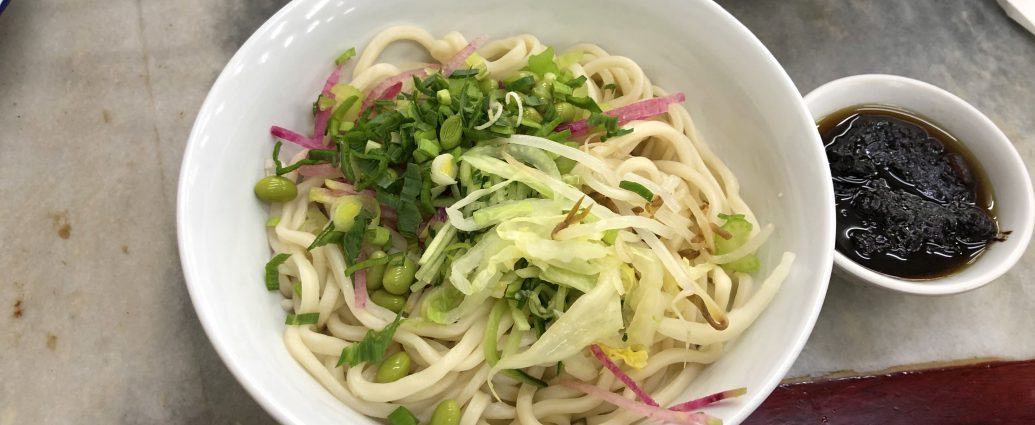
Zhajiangmian (炸酱面) is Beijing’s noodle — thick wheat noodles topped with a dark, glossy sauce of pork and fermented soybean paste, then buried under a heap of cool, crunchy vegetables. It is not a banquet dish and never has been. It is what a Beijing family eats on a hot summer evening, the sauce made in a big batch on Sunday and eaten all week, the vegetables cut to whatever is in season. That everydayness is exactly what makes it worth learning.
The name breaks down simply: 炸酱 (zhá jiàng) means “fried sauce” — pork and fermented paste slowly fried in oil until the raw bean smell disappears and the mixture turns deep brown and jammy. 面 (miàn) is noodles. What separates a good bowl from a mediocre one is almost entirely the sauce, and the sauce is made with two ingredients that most Western kitchens have never used together.
Zhajiangmian (炸酱面) is a classic Beijing noodle dish of thick wheat noodles topped with a savory sauce of ground pork slow-fried with fermented soybean paste (干黄酱) and sweet bean sauce (甜面酱), served with raw or blanched vegetable garnishes called 面码. It is home cooking, not restaurant food, and the sauce is traditionally made in large batches.
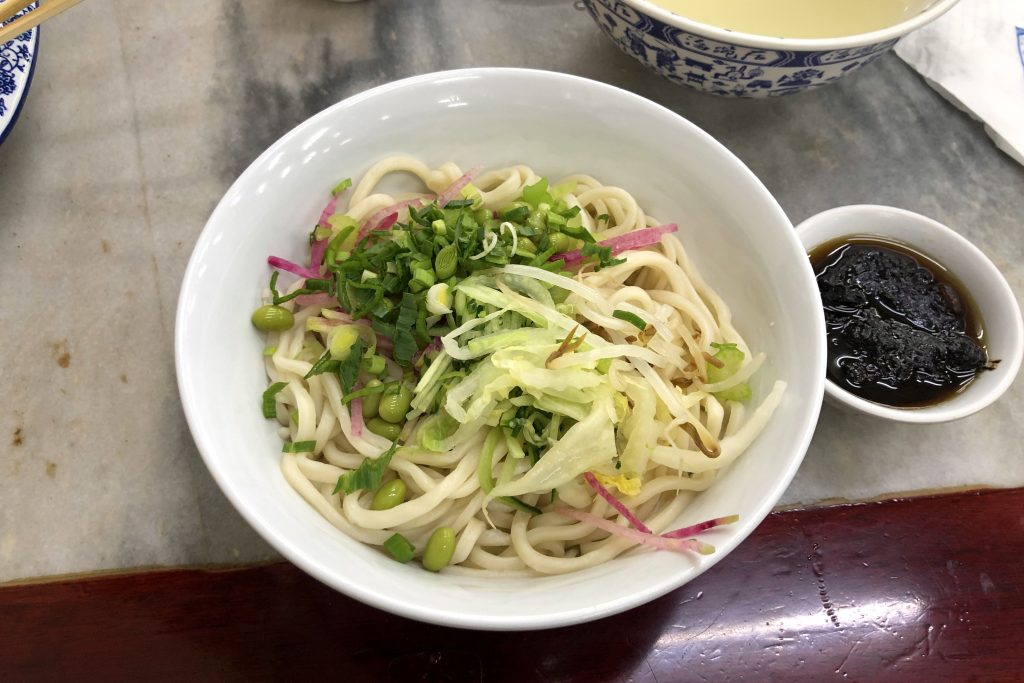
Photo: N509FZ via Wikimedia Commons, CC BY-SA 4.0
Old Beijing and the Noodle That Isn’t Fancy
Beijing’s food culture divides sharply between court and street. The imperial kitchens gave the city elaborate banquet cooking; the hutongs gave it plain, filling food built on wheat, cabbage, and whatever was cheap that week. 炸酱面 belongs firmly to the second tradition, and Beijingers are protective of that. Ask someone from the city where to eat it and they will usually say “at home” — a restaurant version, however good, is understood to be a compromise.
What makes it distinctly northern is the wheat. Where the south built its noodle culture on rice — rice noodles, rice flour, rice sheets — the north built it on wheat, and 炸酱面 is the wheat noodle at its plainest: hand-rolled or machine-cut, thick, chewy, and sturdy enough to stand up to a heavy sauce. It is a dish designed for a cold climate and a big appetite.
炸酱: The Sauce Is the Whole Point
The sauce is where the dish is won or lost, and it rests on a blend of two fermented pastes. 干黄酱 is a dense, salty, fermented yellow soybean paste — the backbone, providing the deep savory funk. 甜面酱 is a sweeter, thinner fermented flour paste that rounds off the salt and gives the finished sauce its faint caramel edge. Beijing cooks typically use them in roughly a 2:1 or 3:1 ratio, loosening the dry paste with water or Shaoxing wine before it goes anywhere near the pan.
The technique is called 小碗干炸 — “small bowl, dry-fried” — and the word to hold onto is 干. The paste is fried, not simmered. It goes into hot oil with diced pork, and it stays there over a low flame for a long time, being stirred, until the water cooks out, the oil separates and rises, and the mixture darkens to the color of dark chocolate. That long fry is what transforms the raw, sharp taste of fermented paste into something mellow and deep. Rushing it leaves the sauce tasting of the jar.
面码: The Garnish Code
The vegetables that go on top are called 面码 (miàn mǎ), and there is a loose traditional set. The constants are cucumber, cut into thin matchsticks, and blanched soybean sprouts. Beyond those, the list shifts with the season and the household: radish, celery, spinach, mung bean sprouts, black wood ear, or fresh soybeans. The principle is texture and temperature — everything should be cool and crisp, a direct contrast to the hot, heavy sauce. Traditionalists count 六样 (six items) or 八样 (eight); nobody enforces it, but the spirit of the thing is variety.
Why This Recipe Works
- The real paste blend — 干黄酱 and 甜面酱 together, not a single substitute, which is what gives the sauce its depth
- A genuine long fry — 25 minutes of slow stirring is what removes the raw fermented edge and builds the color
- Pork belly, diced not ground — small cubes keep their texture and render fat that carries the sauce
- Cool crisp garnishes — the temperature contrast is structural, not decorative
- Makes a big batch — the sauce keeps for two weeks and improves for the first three days
Where to Find Chinese Ingredients
- Dried yellow soybean paste (干黄酱) — dried yellow soybean paste, the backbone of the sauce
- Sweet bean sauce (甜面酱) — sweet bean sauce to balance the salt
- Fresh wheat noodles — thick fresh wheat noodles; dried works too
Also needed: pork belly, scallions, ginger, Shaoxing wine, cucumber, soybean sprouts, and a neutral oil. Sesame oil for finishing is optional.
How to Make It
- Loosen 150g (5 oz) 干黄酱 and 60g (2 oz) 甜面酱 with 150ml water or Shaoxing wine, whisking until smooth with no lumps
- Dice 250g (9 oz) pork belly into 5mm cubes; slice 4 scallions, keeping the whites and greens separate
- Heat 100ml oil in a wok or heavy pan over medium heat and fry the pork for 4 minutes until the fat renders and the edges brown
- Add the scallion whites and a thumb of minced ginger; stir 30 seconds
- Pour in the loosened paste and stir constantly. It will sputter — reduce the heat to low and keep stirring
- Fry gently for 25 minutes, stirring every minute or two, until the sauce darkens, thickens, and the oil separates and pools at the surface
- Add the scallion greens in the last 2 minutes; taste and add a pinch of sugar only if the paste is harsh
- Cook the noodles, drain, and rinse briefly in cool water so they do not clump, then drain again
- Serve the noodles with the sauce spooned over, and the garnishes arranged separately so each person builds their own bowl
Variations
- With ground pork — faster and smoother; use 300g and shorten the fry to 18 minutes
- Vegetarian — diced king oyster mushroom and firm tofu in place of pork, with an extra spoonful of paste
- Tianjin style — a slightly sweeter, thinner sauce with more 甜面酱
- Northeast style — often includes diced eggplant or green beans cooked into the sauce
Frequently Asked Questions
What does zhajiangmian taste like?
Deeply savory and salty, with a faint sweetness and a strong fermented soybean flavor. It is not spicy at all — unlike Sichuan noodle dishes, there is no chili in the traditional sauce. The cool cucumber and bean sprouts on top keep each bite from feeling heavy.
Can I substitute hoisin sauce for the soybean paste?
Not really. Hoisin is sweet and mild, and the dish depends on the salty, fermented depth of 干黄酱. If you cannot find it, a combination of red miso and a little dark soy sauce gets much closer than hoisin does.
How long does the sauce keep?
Two weeks refrigerated in a sealed jar, and it improves for the first two or three days as the flavors settle. The oil layer on top helps preserve it — leave it in place and stir it back through when you reheat.
Why does my sauce taste raw or bitter?
It was not fried long enough. The raw, sharp edge of fermented paste only disappears after a long, slow fry. Twenty-five minutes over low heat is the minimum; if it still tastes harsh, keep going. Add a splash of water if it threatens to catch.
More Noodle Recipes to Try
Love Chinese noodles? Try my Lanzhou Beef Noodles 兰州拉面, the sesame-forward Hot Dry Noodles 热干面, or the fiery Chongqing Small Noodles 重庆小面. For a lighter Shanghai contrast, see my Scallion Oil Noodles 葱油拌面.
As an Amazon Associate, I earn from qualifying purchases. These are affiliate links at no extra cost to you.