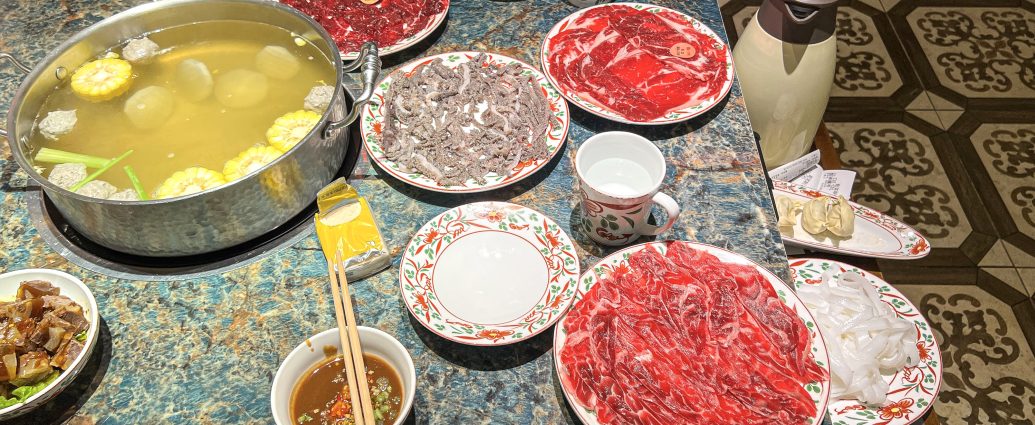
Chaoshan Beef Hotpot (潮汕牛肉火锅) is the hotpot that purists adore: a clear, barely-seasoned broth of beef bones and radish, a table full of impossibly thin beef cuts, and a pot so quick that each slice cooks in eight seconds. Originating in the Chaoshan region of eastern Guangdong, it is less about spice and more about precision — the quality of the beef, the sharpness of the knife, and the discipline of the cook.
What makes Chaoshan hotpot different from Sichuan hotpot is the respect for the meat. Every part of the cow is used and named: 吊龙 (tenderloin strip), 脖仁 (neck meat), 胸口油 (brisket fat), and the beloved 手打牛肉丸 (hand-beaten beef balls) with their bouncy, juice-filled texture. The broth stays clean so the beef’s natural sweetness shines, and a simple dipping sauce of satay, chili, and garlic lets each bite speak for itself.
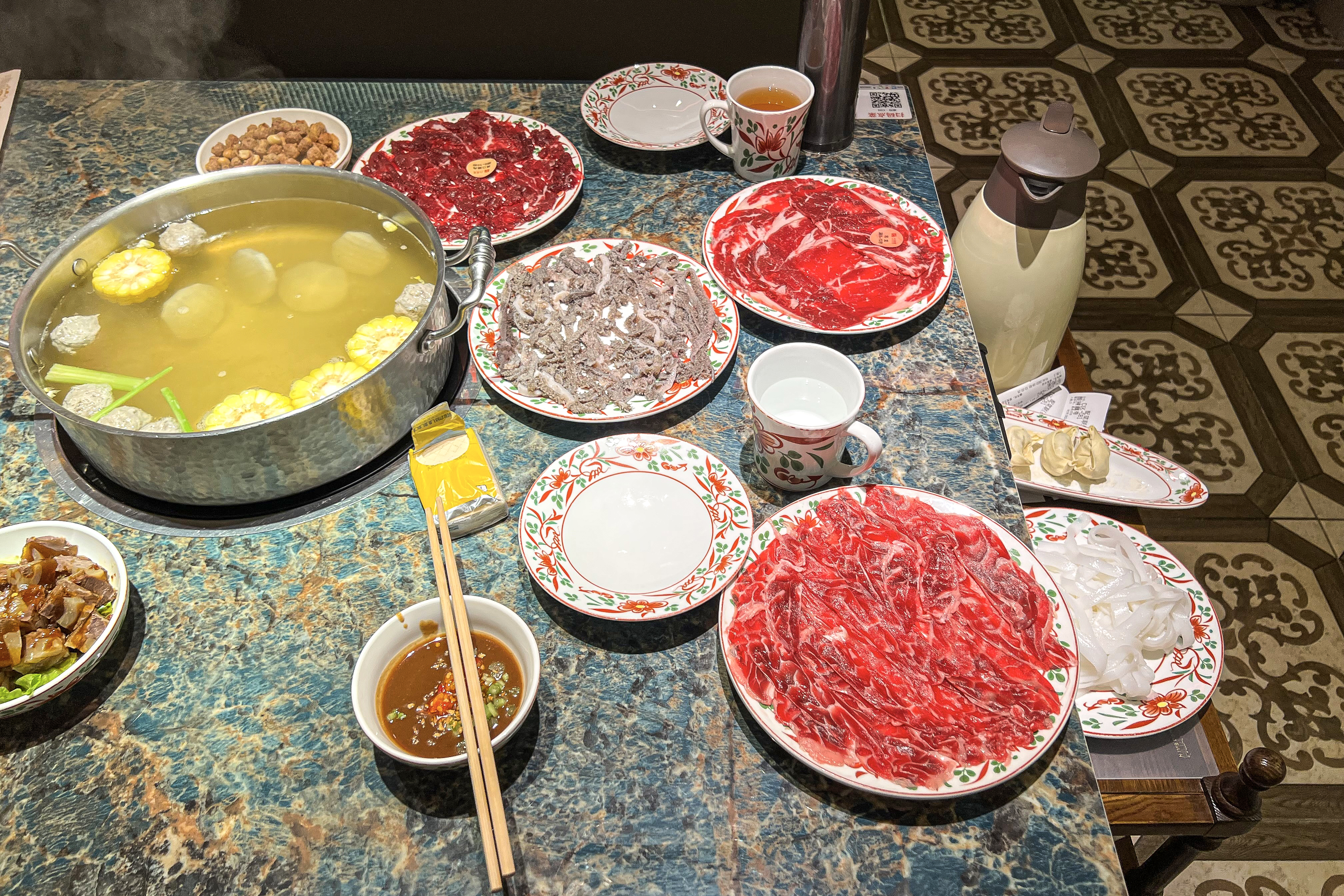
Photo: N509FZ via Wikimedia Commons, CC BY-SA 4.0
A Hotpot Built on Butchery
潮汕 (Chaoshan) is the coastal region around Shantou, Chaozhou, and Jieyang in eastern Guangdong, and it has a culinary reputation out of proportion to its size — famous for 牛肉丸 (beef balls), 卤水 (master-braise), and seafood. Beef hotpot is the region’s most famous export, and its defining feature is that it treats the cow like a chart. A Chaoshan hotpot restaurant will list a dozen cuts on the menu, each with a recommended cooking time: 匙柄 from the shoulder, 吊龙 from the back, 五花趾 from the shank, 胸口油 the white fat from the brisket. The cuts are sliced paper-thin by hand, arranged on plates that are brought to the table raw, and cooked by the diners themselves for a few seconds each. The whole meal is an exercise in attention — the broth is deliberately plain so that nothing hides, and the difference between a perfect slice and an overcooked one is about five seconds.
The Broth: Deliberately Plain
- Beef bones and white radish — simmered for two hours into a clear, faintly sweet broth
- A little ginger and a few scallions — that is the entire seasoning
- No chili, no Sichuan peppercorn, no heavy spices — the broth exists to cook the beef, not to compete with it
- Corn and tomato are common additions — they add sweetness and acidity without clouding the broth
- The broth changes as you eat — by the end of the meal it has absorbed the beef’s juices and is the best soup of the night
Hand-Beaten Beef Balls (手打牛肉丸)
The other icon of the Chaoshan table is the beef ball, and the traditional method is genuinely laborious: a cut of beef is pounded with a heavy mallet for close to an hour until it becomes a sticky, elastic paste, then formed into balls and poached. The pounding develops the proteins into a network that traps juice and gives the ball its celebrated bounce — a good Chaoshan beef ball is said to bounce off the table. A food processor can approximate the texture in a fraction of the time; the key is to keep the meat ice-cold throughout and to work it until it turns tacky and light.
Ingredients and Where to Find Them
- Beef bones — beef bones for the clear broth
- Beef cuts for slicing — chuck or sirloin, partially frozen for thin slicing
- Satay sauce — shacha (satay) sauce for the traditional dip
Also needed: white radish, corn, tomato, ginger, scallions, napa cabbage, enoki mushrooms, tofu skin, and noodles for the end of the meal. For the dip: shacha sauce, light soy, chili oil, garlic, cilantro, and a little vinegar.
How to Do It
- Blanch 1kg (2.2 lb) beef bones and simmer with ginger, scallions, and a peeled white radish for 2 hours; strain and season lightly with salt
- Partially freeze 600g (1.3 lb) beef for 45 minutes, then slice as thinly as you can against the grain
- For beef balls: pulse 400g (14 oz) ice-cold beef with 1 teaspoon salt and 1 teaspoon baking soda until sticky, then add 2 tablespoons ice water and process until light; form balls and poach in the broth 8 minutes
- Bring the broth to a gentle boil at the table and add corn, tomato, and radish pieces
- Swish beef slices in the broth for 8–10 seconds each, until just pink inside
- Cook beef balls, mushrooms, and vegetables as the meal progresses
- Finish with noodles in the enriched broth, and mix a dipping sauce of shacha, soy, chili oil, and garlic
Variations
- With beef offal — tripe, tendon, and liver are traditional additions, each with its own cooking time
- With a satay-forward dip — some restaurants make the shacha sauce the star, adding peanut and sesame
- With a spicy broth — a modern hybrid using a mild mala base, though purists object
- With seafood — Chaoshan is coastal, and prawns and fish balls often join the pot
Frequently Asked Questions
Why is Chaoshan hotpot broth so plain?
Because the beef is the point. A clean broth lets the natural sweetness of each cut come through, and it means an overcooked or poor-quality slice is immediately obvious. Spiced broths mask the meat; this one does not.
How thin should I slice the beef?
As thin as you can manage — ideally 1–2mm. Partially freezing the meat for 45 minutes makes this much easier, as does a very sharp knife. Thin slices cook in eight seconds; thicker ones need longer and lose their silkiness.
Can I make this without a special hotpot?
Yes — cook everything in batches on the stovetop and transfer to a warm pot at the table. The beef cooks in seconds, so batches stay hot and perfect.
What is shacha sauce?
Shacha (沙茶) is a savory, slightly sweet sauce of dried seafood, peanuts, sesame, and spices — the classic dipping sauce for Chaoshan beef hotpot and a staple of the region’s cooking. It is sold in jars and is worth seeking out.
More Warm Pots & Soups
Love warm, soulful pots? Try my Lotus Root Pork Rib Soup 莲藕排骨汤, the rich Tomato Beef Brisket Soup 番茄牛腩汤, or the legendary Fotiaoqiang 佛跳墙.
As an Amazon Associate, I earn from qualifying purchases. These are affiliate links at no extra cost to you.