
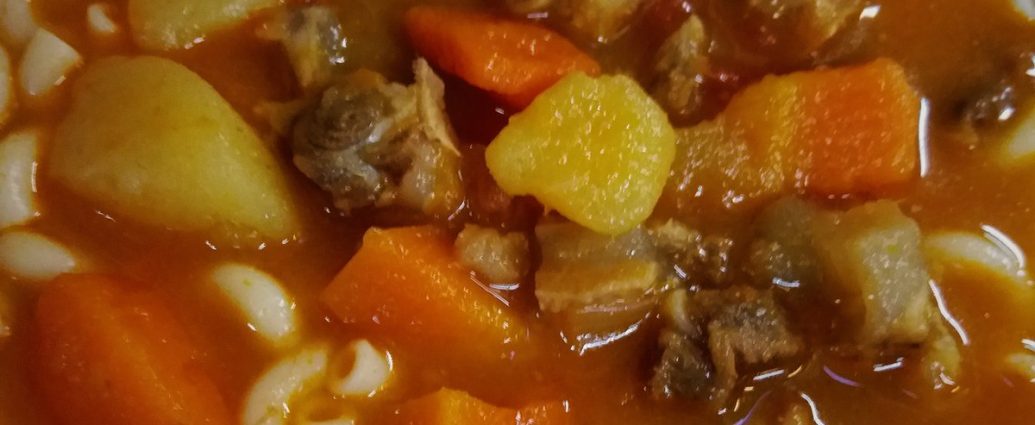
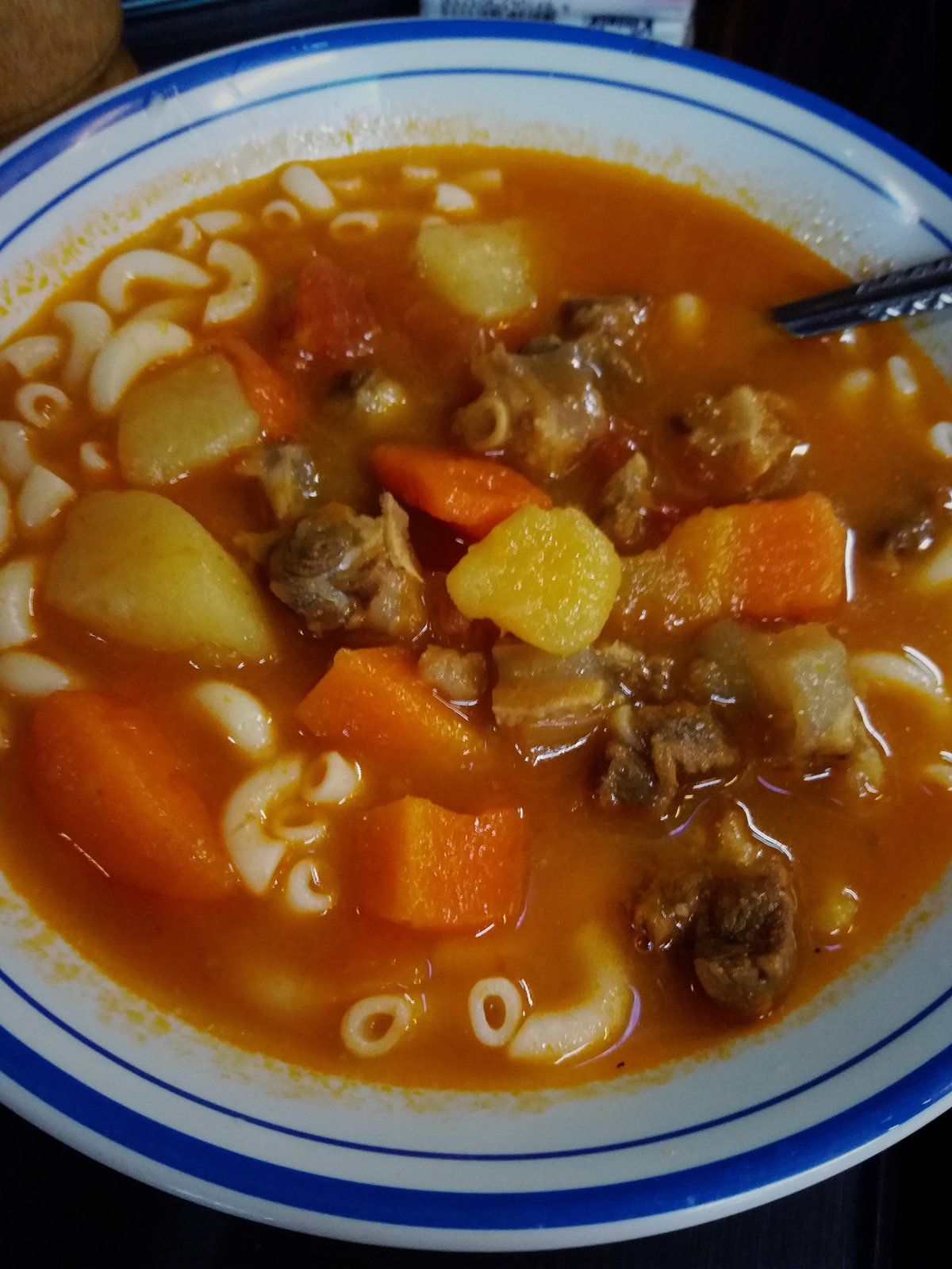
Tomato Beef Brisket Soup (番茄牛腩汤) is a soul-warming Chinese home classic — tender beef brisket simmered for hours until it falls apart, in a rich, tangy tomato broth that is equal parts comforting and energizing. It is the soup Chinese families make on cold evenings, ladled over rice or slurped straight from the bowl. Here is the slow-simmered method.
Tomato beef brisket soup is a Chinese home soup made by slowly simmering beef brisket with fresh tomatoes, ginger, and scallions until the beef is tender and the broth is rich and tangy. It is often served with rice or noodles and is considered a nourishing, comfort dish.
番茄牛腩 is one of the great modern Chinese home dishes — a marriage of a traditional slow-braised cut with an ingredient that only became common in China in the twentieth century. Beef brisket (牛腩) is the classic Cantonese braising cut: layered with fat and connective tissue, inexpensive, and transformed by long cooking into something meltingly tender. Tomatoes bring acidity and sweetness that cut through the beef’s richness, and the result is a soup that manages to be both hearty and bright. It is a staple of Cantonese home kitchens and 茶餐厅 menus alike, usually served over rice or with noodles.
This recipe comes from a home cook in Guangzhou who taught me the crucial two-step cooking method: braise the beef FIRST in plain water with ginger until nearly tender, THEN add the tomatoes. Adding tomatoes too early makes them turn bitter and the broth acidic. This sequencing gives a mellow, sweet-and-sour balance.
Why the Tomatoes Go In Late
It is tempting to throw everything into the pot at once and let time do the work. But tomatoes are acidic, and long cooking in an acidic liquid keeps beef’s connective tissue from breaking down as readily — the brisket stays tough, and the tomatoes themselves lose their freshness and turn dull and slightly bitter. Cooking the beef first in plain, ginger-scented water lets the collagen melt properly. The tomatoes go in for the last 30–40 minutes, long enough to break down into the broth but not so long that they lose their bright, tangy character. That sequencing is the whole recipe.
Choosing the Cut and the Tomatoes
- Beef brisket (牛腩) — the ideal cut: layered fat and connective tissue that melts into gelatin. Chuck also works
- Cut into 4cm chunks — large enough to stay juicy through a long braise
- Blanch the beef first — 3 minutes in boiling water removes blood and impurities for a cleaner broth
- Use ripe tomatoes plus a little paste — fresh tomatoes give brightness, tomato paste gives depth and color
- Score and blanch the tomatoes if you want them to break down faster; the skins slip off easily
- A pinch of sugar is essential — it balances the acidity and rounds the broth
Ingredients and Where to Find Them
- Beef brisket — beef brisket, cut into chunks
- Tomato paste — tomato paste for depth and color
- Shaoxing wine — Shaoxing wine for the braise
Also needed: ripe tomatoes, ginger, scallions, garlic, onion, light soy sauce, sugar, salt, white pepper, and star anise. Some cooks add a piece of dried tangerine peel or a bay leaf.
How to Make It
- Blanch 800g (1.75 lb) beef brisket chunks in boiling water for 3 minutes; drain and rinse
- Heat 2 tablespoons oil and brown the beef with 4 ginger slices, 3 scallions, 1 onion, and 1 star anise for 5 minutes
- Add 2 tablespoons Shaoxing wine and 1.5 liters water; bring to a simmer
- Simmer gently for 90 minutes, skimming occasionally, until the beef is nearly tender
- Add 4 ripe tomatoes cut into wedges, 2 tablespoons tomato paste, 1 tablespoon light soy, and 1 teaspoon sugar
- Simmer another 30–40 minutes until the tomatoes collapse into the broth and the beef is fall-apart tender
- Season with salt and white pepper, scatter with scallions, and serve over rice or noodles
Variations
- With noodles — ladle over cooked wheat noodles for a complete meal (番茄牛腩面)
- With potatoes or carrots — added in the last 30 minutes for a heartier, more stew-like dish
- With a Sichuan twist — add 1 teaspoon doubanjiang with the aromatics for gentle heat
- Pressure cooker version — 30 minutes at high pressure for the beef, then finish with the tomatoes on the stovetop
Frequently Asked Questions
Why is my brisket still tough?
It has not cooked long enough, or the tomatoes went in too early. Brisket needs 90 minutes to two hours of gentle simmering, and the acidic tomatoes should be added only once the beef is nearly tender. A hard boil also toughens the meat — keep it at a bare simmer.
Can I use canned tomatoes?
Yes — canned whole tomatoes work well, especially out of season. Use them with a little tomato paste and reduce the sugar slightly, since canned tomatoes are often already sweetened.
Can I freeze this soup?
Yes — it freezes beautifully for up to 3 months. The flavor often deepens overnight. Thaw in the fridge and reheat gently.
What is the best cut of beef?
Beef brisket (牛腩) is traditional and ideal — it has the layered fat and connective tissue that melts into gelatin over a long braise. Beef chuck is the best substitute. Avoid lean cuts like sirloin, which turn dry and stringy.
More Chinese Soups
Love slow-simmered Chinese soups? Try my Clear Pork Rib Soup 清炖排骨汤, the winter melon Winter Melon Pork Rib Soup 冬瓜排骨汤, or the Shanghai Lu Song Soup 罗宋汤.
As an Amazon Associate, I earn from qualifying purchases. These are affiliate links at no extra cost to you.
1 Comment