Xiangxi Cured Pork Stir Fry (湘西外婆菜) is the soul of Hunan home cooking — smoky cured pork belly wok-fried with pickled long beans, dried chilies, and garlic. The cured pork renders its fat to coat every ingredient, while the pickled vegetables provide a tangy, crunchy contrast that cuts through the richness. It is rustic, fiery, and absolutely addictive.
The name 外婆菜 literally means “grandmother’s vegetables,” and it comes from Xiangxi (western Hunan), the mountainous region where families cure their own pork every winter and pickle vegetables in earthenware jars. In the classic village version, the pickled greens are sun-dried first, then chopped fine and stir-fried with the cured meat — a combination designed to make a small amount of meat stretch through a long, cold season. Every Hunan grandmother has her own version, passed down through generations, and that is exactly the point: this is a dish of memory as much as of technique.
This recipe comes from a village kitchen in Hunan where families cure their own meats every winter. The result is intensely savory and salty — which is why a bowl of plain steamed rice is not optional but essential.
Xiangxi: The Mountains of Western Hunan
湘西 is the mountainous west of Hunan, a region of steep terrain, small villages, and a strong Miao and Tujia cultural presence. Historically it was remote and poor, and its cooking grew out of necessity: food had to keep through humid summers and cold winters, so meat was cured with salt and smoke, and vegetables were pickled or dried. 腊肉 (cured pork) hung in the rafters above the kitchen fire, absorbing smoke over months. Pickled vegetables sat in heavy earthenware jars in the corner. These were not delicacies; they were the winter pantry. 外婆菜 is what happens when that pantry meets a hot wok — the humble preserved ingredients transformed into something intensely savory and deeply satisfying.
外婆菜 Is a Category, Not a Recipe
- There is no single 外婆菜 — the name covers a family of dishes built on chopped pickled vegetables stir-fried with cured meat
- The pickle varies by household — long beans, mustard greens, radish, or a mix, depending on what was in the garden
- Sun-drying comes first — vegetables are dried before pickling, concentrating their flavor and giving the dish its characteristic chew
- Cured pork is the constant — 腊肉 supplies the fat and the smoke; without it the dish loses its backbone
- Chopped fine, not left in pieces — the fine chop is what lets a small amount of meat season a whole bowl
- Chili is essential — both fresh and dried, in the direct Hunan manner rather than a subtle background heat
The Cured Pork: 腊肉
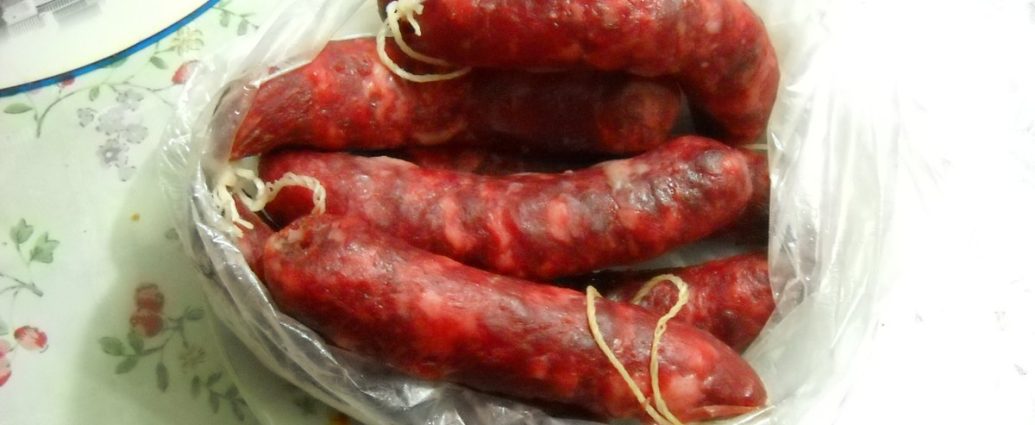
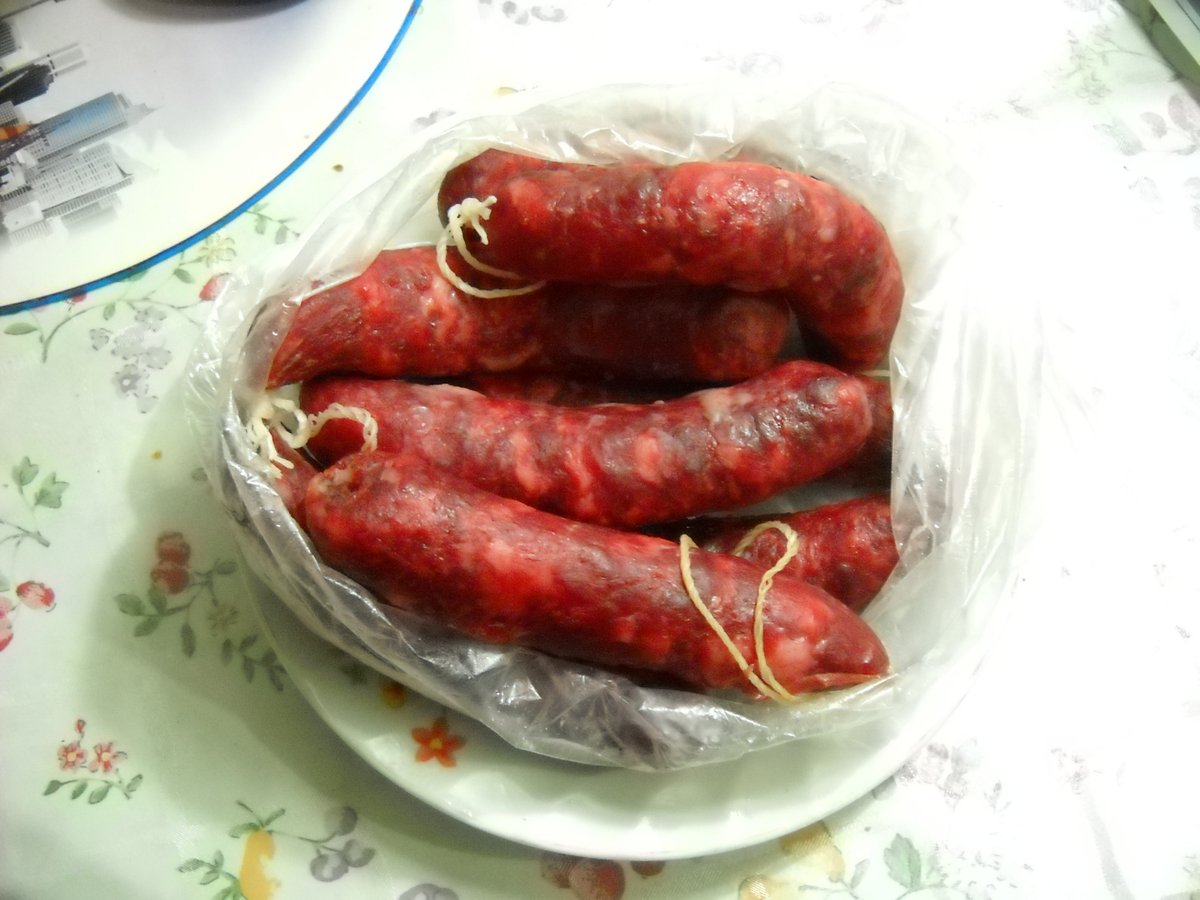
腊肉 is made by rubbing pork belly with salt, sometimes with Sichuan peppercorn and Shaoxing wine, then hanging it to dry and smoke over a period of weeks. The result is firm, deeply savory, and faintly smoky, with the fat turned translucent amber. Before cooking, it is usually blanched briefly or steamed to soften it and reduce the salt, then sliced thin. In this dish the slices are fried until the fat renders and the edges crisp — that rendered fat becomes the cooking medium for everything that follows, which is why the dish needs almost no added oil. If you cannot find 腊肉, a good smoked bacon or pancetta is a workable substitute, though the smoke profile differs.
Ingredients and Where to Find Them
- Cured pork belly (腊肉) — Chinese cured pork belly, or smoked bacon as a substitute
- Pickled long beans — pickled long beans (酸豆角)
- Dried chilies — dried red chilies, snipped
Also needed: fresh red or green chilies, garlic, ginger, scallions, light soy sauce, Shaoxing wine, a pinch of sugar, and a little oil. Dried radish or pickled mustard greens can stand in for the long beans.
How to Cook It
- Blanch 200g (7 oz) cured pork belly in boiling water for 3 minutes to soften and reduce the salt; drain and slice thin
- Chop 250g (9 oz) pickled long beans into fine rounds; rinse briefly if very salty and squeeze dry
- Heat a wok with 1 tablespoon oil and fry the pork over medium heat for 4 minutes until the fat renders and the edges crisp
- Add 6 snipped dried chilies, 3 sliced fresh chilies, garlic, and ginger; stir-fry 30 seconds
- Add the pickled beans and stir-fry over high heat for 3 minutes until fragrant and slightly dry
- Season with 1 teaspoon light soy, 1 teaspoon Shaoxing wine, and a pinch of sugar; toss 30 seconds
- Scatter with scallions and serve with plenty of steamed rice
Variations
- With dried radish (萝卜干) — a common Xiangxi version with a chewier, sweeter pickle
- With pickled mustard greens — sharper and more sour than long beans
- With smoked tofu — a vegetarian version; see the FAQ below
- With fresh green beans — a summer version using blanched fresh beans when the pickle jar is empty
Frequently Asked Questions
What exactly is 外婆菜?
It is a Hunan home dish of finely chopped pickled vegetables stir-fried with cured pork and chilies. The name means “grandmother’s vegetables,” and there is no single canonical recipe — each family uses whatever pickle and cured meat they have. The defining elements are the fine chop, the pickled vegetables, and the rendered cured pork fat.
Can I make it without cured pork?
Yes — replace the cured pork with smoked firm tofu or king oyster mushrooms cooked in a little oil, and add 1 teaspoon of soy sauce plus a pinch of smoked paprika to mimic the cured flavor. The pickled vegetables remain the heart of the dish.
Why is my version too salty?
Both the cured pork and the pickles are heavily salted. Blanch the pork for three minutes before slicing, rinse the pickles briefly and squeeze them dry, and taste before adding any soy sauce. A pinch of sugar helps balance what salt remains.
What if I cannot find pickled long beans?
Pickled mustard greens, dried radish, or Sichuan 芽菜 all work well and are widely available. The character of the dish changes with each — mustard greens are sharper, dried radish sweeter and chewier — but all are traditional in some part of Hunan.
More Hunan Classics
Explore more Hunan flavor: my Xiao Chao Rou 小炒肉, the steamed La Wei He Zheng 腊味合蒸, or the fiery Yongzhou Blood Duck 永州血鸭.
As an Amazon Associate, I earn from qualifying purchases. These are affiliate links at no extra cost to you.