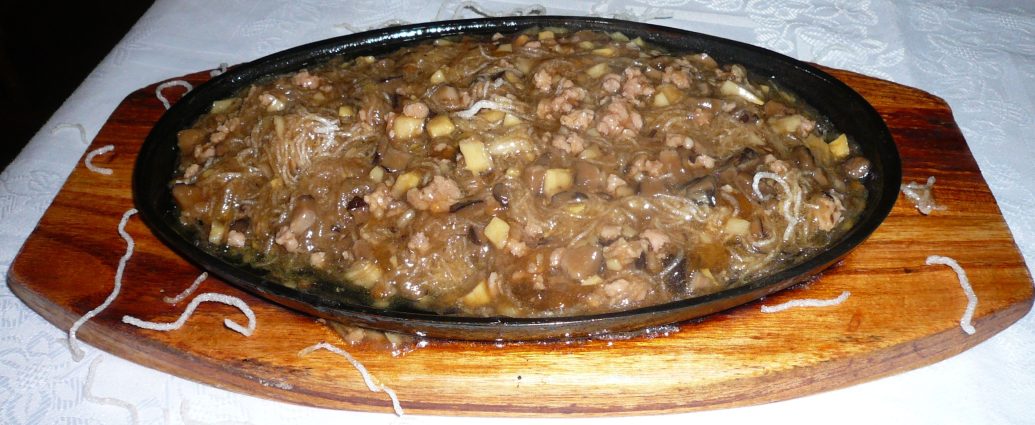
Ants Climbing a Tree (蚂蚁上树) is one of Sichuan cuisine’s most playful and delicious home dishes — glassy mung bean vermicelli stir-fried with savory minced pork, so that the tiny bits of meat cling to the translucent noodles like “ants climbing a tree.” It is saucy, garlicky, slightly spicy, and ready in under 20 minutes. Here is the authentic Sichuan method.
Ants Climbing a Tree (蚂蚁上树) is a Sichuan dish of glass noodles (mung bean vermicelli) stir-fried with minced pork in a savory sauce of doubanjiang, soy sauce, and garlic. The tiny pork bits clinging to the translucent noodles resemble ants climbing a tree, which is how it got its name.
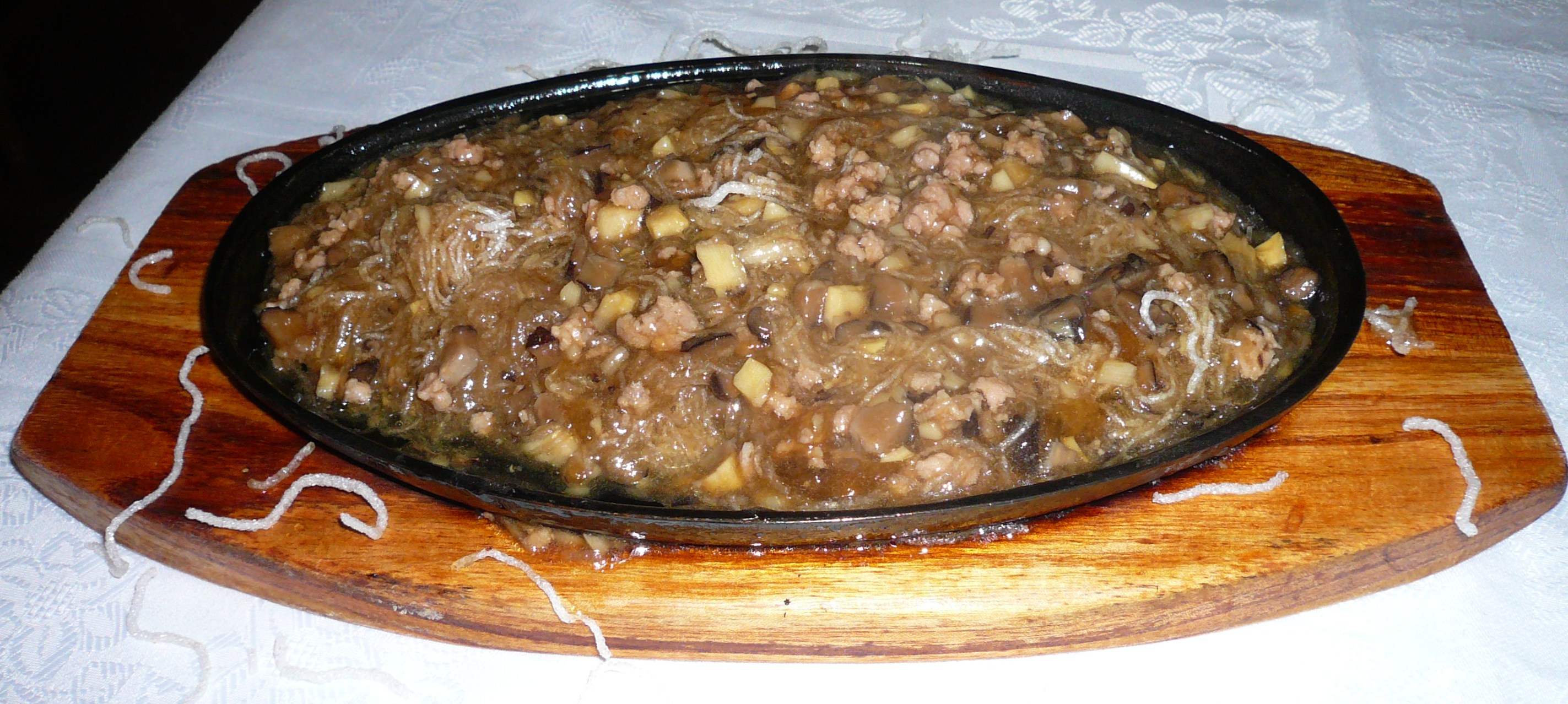
The name is a piece of poetry, and the dish earns it. Mung bean vermicelli are translucent and slightly springy; when minced pork is stir-fried with them, the little grains of meat lodge in the noodles’ surface and stay there — a plate of pale strands speckled with dark dots, exactly like ants on a branch. The dish is a classic 家常菜 (home-style dish) of Sichuan, cheap and quick, built from pantry staples. Its close cousin 粉丝煲 uses the same noodles in a clay pot, and both demonstrate the same principle: vermicelli are a sponge, and everything depends on what you let them absorb.
This recipe comes from a Chengdu home cook who taught me the two rules for perfect vermicelli: soak the noodles in WARM water until just tender (never boiling, which makes them mushy), and keep enough sauce in the wok so the noodles stay glossy as they absorb it.
Warm Water, Never Boiling
Mung bean vermicelli behave nothing like wheat noodles. Boiling them in water cooks them through and leaves them soft and pasty — and then they go into a hot wok and collapse entirely. The correct approach is to soak them in warm water (about 40–50°C) for 15–20 minutes until they are pliable but still firm at the core, then drain them well. They finish cooking in the wok, absorbing the sauce as they go. That is what gives the dish its signature texture: chewy, glossy strands that hold sauce rather than dissolving into it.
The Sauce Is the Noodles’ Flavor
- Doubanjiang provides the base — fried in oil until red, it seasons the entire dish
- Keep the liquid generous — vermicelli absorb aggressively; if the wok is dry, they turn stiff and clumpy
- Add stock, not just water — the noodles will absorb whatever liquid you give them, so make it flavorful
- Toss continuously once the noodles go in — they stick to the wok within seconds if left still
- Finish with sesame oil off the heat — it keeps the strands from clumping as they cool
Ingredients and Where to Find Them
- Mung bean vermicelli — mung bean vermicelli; not rice noodles or sweet potato starch noodles
- Pixian doubanjiang — doubanjiang for the fermented chili base
- Light soy sauce — light soy sauce for seasoning
Also needed: minced pork, garlic, ginger, scallions, Shaoxing wine, chicken stock, sugar, and sesame oil. Some versions add a little fermented black bean paste or chili oil for extra depth.
How to Cook It
- Soak 150g (5 oz) mung bean vermicelli in warm water for 15–20 minutes until pliable; drain and cut into shorter lengths with scissors
- Heat 2 tablespoons oil and fry 150g (5 oz) minced pork until crisp and browned, about 3 minutes
- Push the meat aside, add 1 tablespoon doubanjiang, 3 minced garlic cloves, and 1 tablespoon minced ginger; fry 1 minute until red and fragrant
- Add 1 tablespoon Shaoxing wine and 250ml chicken stock with 1 tablespoon light soy and 1/2 teaspoon sugar
- Bring to a simmer, then add the drained vermicelli and toss continuously for 2–3 minutes until they absorb the sauce and turn glossy
- Add scallions and a few drops of sesame oil, toss once, and serve immediately
Variations
- Vegetarian — replace the pork with finely diced shiitake mushrooms and use vegetable stock; add an extra teaspoon of soy
- With 芽菜 — a spoonful of Sichuan preserved mustard greens adds a deep, fermented savoriness
- Spicier — add 1 teaspoon chili flakes with the doubanjiang, or a spoonful of chili oil at the end
- Clay pot version (粉丝煲) — assemble in a clay pot with extra stock and simmer at the table
Frequently Asked Questions
Why did my noodles turn to mush?
They were boiled instead of soaked, or left in the wok too long. Mung bean vermicelli should be soaked in warm water until pliable, then finished in the sauce — never boiled. They need only two or three minutes in the wok.
Can I use rice noodles or sweet potato noodles instead?
You can, but the dish changes. Mung bean vermicelli are chosen for their translucent look and springy chew. Rice noodles are softer and will not hold the “ants”; sweet potato noodles are chewier and heavier.
Why is my dish dry?
Not enough liquid. Vermicelli absorb aggressively, so the wok needs more sauce than you think — roughly 250ml of stock for 150g of noodles. Toss continuously and add a splash more stock if they start to stiffen.
What can I serve with this?
It is usually served as a side dish with rice and other Sichuan mains, or eaten as a light meal on its own. A simple stir-fried vegetable balances it perfectly.
More Sichuan Home Cooking
Love Sichuan flavors? Try my Mapo Tofu 麻婆豆腐, the noodle classic Dan Dan Noodles 担担面, or the twice-cooked Hui Guo Rou 回锅肉.
As an Amazon Associate, I earn from qualifying purchases. These are affiliate links at no extra cost to you.