
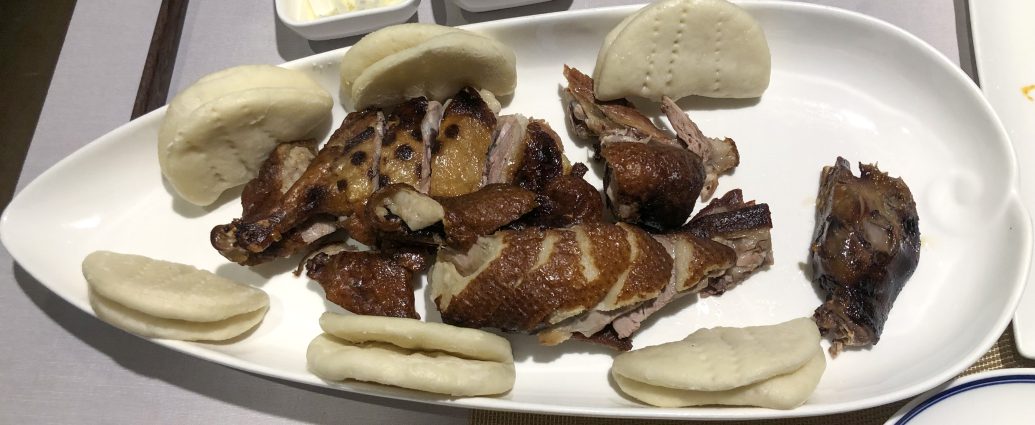
Zhang Cha Duck (樟茶鸭) is Sichuan’s most elegant banquet dish — a whole duck that is first marinated, then steamed, then smoke-kissed over green tea leaves and camphor wood, and finally deep-fried until the skin turns burnished amber. The result is a crisp, lacquered bird with impossibly tender meat and a haunting fragrance of tea, spice, and smoke that no other duck dish quite matches.
The name comes from the two signature smoking ingredients: 樟 (zhāng) for camphor wood and 茶 (chá) for tea leaves. Legend traces the technique to a Qing Dynasty chef in Chengdu, who adapted an old Jiangnan smoking method to suit Sichuan tastes. Today it remains a fixture of festive tables across the province — and with this recipe, you can smoke it at home in a simple wok, no special smoker required.
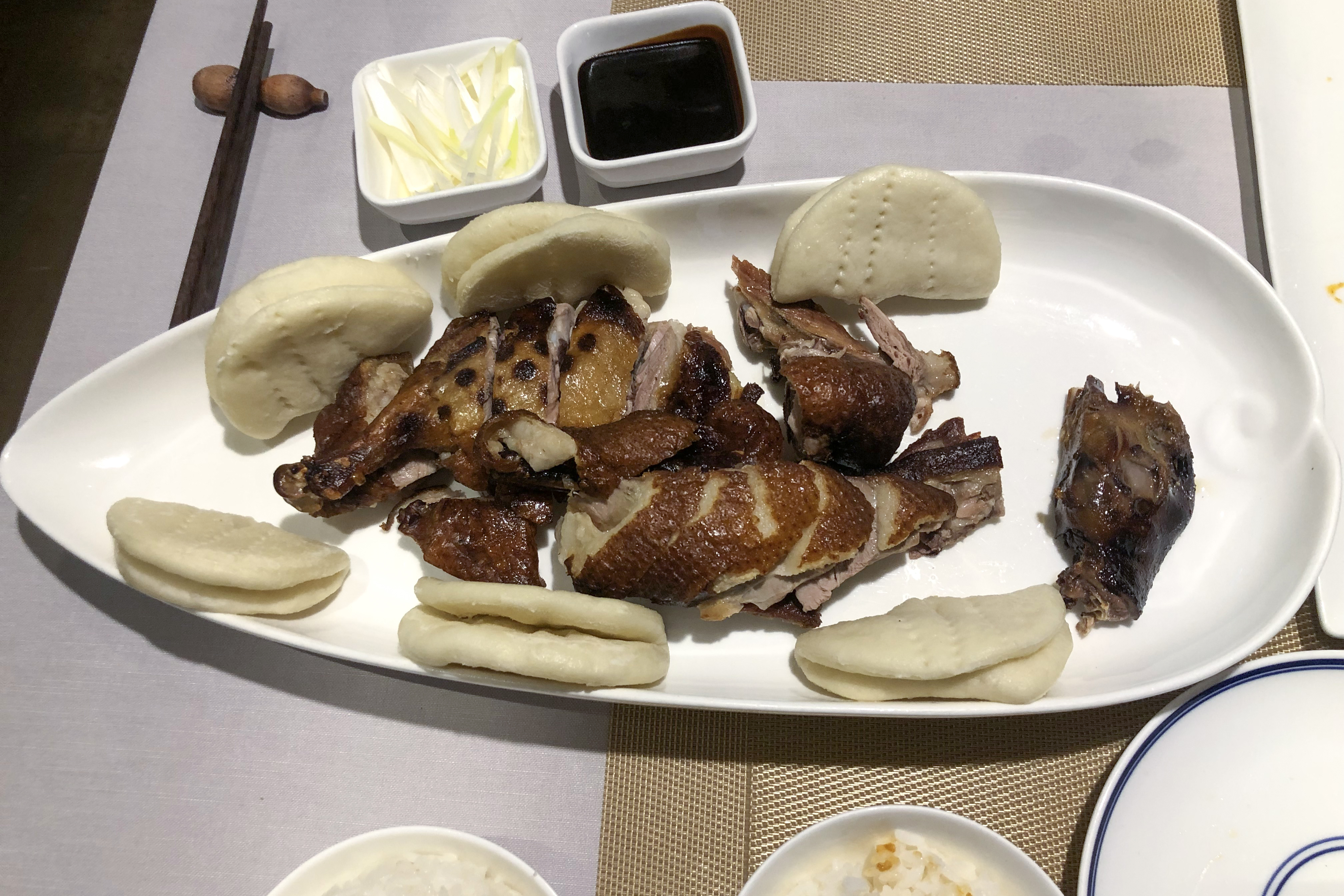
Photo: N509FZ via Wikimedia Commons, CC BY-SA 4.0
Four Techniques in One Dish
樟茶鸭 is unusual in that it is not one cooking method but four, applied in sequence, each doing a specific job. Marinating seasons the meat and begins to firm the skin. Steaming cooks the duck through gently, rendering some fat and keeping the flesh moist — this is what makes the final result so tender. Smoking over tea and camphor deposits the signature fragrance and color on the skin. Deep-frying then crisps and lacquers the skin in a matter of minutes. Each stage is simple; the sequence is the recipe. Skip any one and the dish loses something — no steam and the meat is tough, no smoke and it is just fried duck, no fry and the skin is flabby.
Tea and Camphor: The Signature Smoke
- Green tea leaves — jasmine or plain green tea works; the tea contributes a faintly bitter, aromatic smoke
- Camphor wood chips (樟木) — the traditional smoking wood, with a distinctive resinous aroma; cypress or applewood are reasonable substitutes
- Rice and brown sugar — often added to the smoking mix; the sugar caramelizes and helps color the skin
- A wok and foil — line the wok with foil, add the smoking mixture, set the duck on a rack above it, and cover tightly
- Smoke briefly — 5 to 8 minutes is enough to flavor and color the skin; longer makes it bitter
- Ventilate — this produces real smoke; open a window and turn on the extractor fan
The Sichuan Banquet Context
樟茶鸭 sits at the top of the Sichuan banquet hierarchy, alongside dishes like 开水白菜 and 麻婆豆腐 in its most refined form. It is a 大菜 — a “big dish” — the kind served at wedding banquets and formal dinners rather than at home on a weeknight, and its preparation reflects that. The four-stage technique takes the better part of a day, and the duck is traditionally served with 荷叶饼 (lotus leaf buns) and a scallion-and-hoisin relish, so diners can fold pieces of the crisp-skinned meat into a bun. It is a dish designed to be impressive, and it delivers — the combination of tea smoke, crisp skin, and tender meat is unlike anything else in Chinese cooking.
Ingredients and Where to Find Them
- Whole duck — whole duck, about 2kg
- Camphor or cypress wood chips — smoking wood chips; cypress is the closest common substitute
- Green tea — loose green tea for the smoking mixture
Also needed: Shaoxing wine, light and dark soy sauce, Sichuan peppercorns, star anise, ginger, scallions, rock sugar, salt, and oil for frying. For serving: lotus leaf buns, scallions, and hoisin sauce.
How to Make It
- Rub a 2kg duck inside and out with 2 tablespoons Shaoxing wine, 2 tablespoons light soy, 1 teaspoon dark soy, 1 tablespoon salt, and 1 teaspoon ground Sichuan peppercorn; marinate 4 hours or overnight
- Stuff the cavity with ginger, scallions, and 2 star anise; steam over simmering water for 90 minutes until the meat is tender
- Drain and dry the duck thoroughly; air-chill uncovered for 1 hour so the skin dehydrates
- Line a wok with foil and add 4 tablespoons green tea, 3 tablespoons rice, 3 tablespoons brown sugar, and a handful of wood chips; set a rack above and the duck on it
- Cover tightly and smoke over medium heat for 6–8 minutes until the skin is amber; ventilate the kitchen
- Heat oil to 190°C (375°F) and fry the duck for 3–4 minutes, turning, until the skin is crisp and lacquered; drain
- Chop into pieces with a cleaver and serve with lotus leaf buns, scallion brushes, and hoisin sauce
Variations
- With jasmine tea — a more floral smoke; a common modern variation
- With chicken — the same four-stage method applied to a whole chicken; steam 50 minutes
- Oven-roasted finish — instead of deep-frying, roast at 220°C (425°F) for 15 minutes for a lighter result
- With a spiced glaze — brush with a honey-and-soy glaze before frying for a deeper lacquer
Frequently Asked Questions
Why is my duck skin not crisp?
Moisture. Dry the duck thoroughly after steaming and let it cool completely before smoking or frying. Patting the skin dry and allowing it to air-chill removes moisture, which is the single biggest factor for shatter-crisp skin.
Can I skip the camphor wood?
Yes — cypress, applewood, or even a few pieces of cinnamon bark will produce a good smoke. Camphor wood is traditional but not essential; the tea is what gives the dish its characteristic name and fragrance.
Do I need a smoker?
No. A wok lined with foil, a rack, and a tight lid works perfectly for the short smoking time this dish requires. Just make sure to ventilate the kitchen, since the smoke is real.
Can I make it ahead?
Yes — steam and smoke the duck a day ahead, then refrigerate. Fry it just before serving, as the skin loses its crispness within 20 minutes. This makes it an excellent dish for entertaining.
More Sichuan Classics to Try
Craving more Sichuan flavor? Try my Kou Shui Ji 口水鸡 (Mouthwatering Chicken), the fiery Mala Xiang Guo 麻辣香锅, or the essential Hui Guo Rou 回锅肉 (Twice-Cooked Pork).
As an Amazon Associate, I earn from qualifying purchases. These are affiliate links at no extra cost to you.
2 Comments