
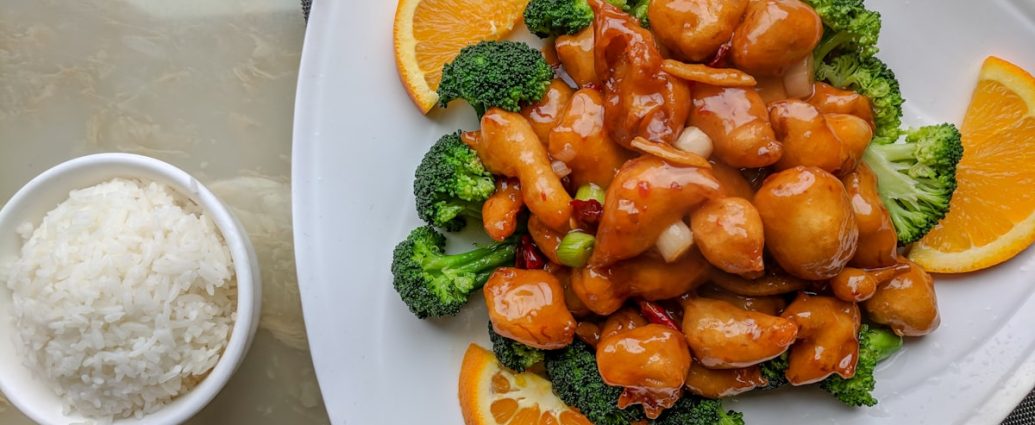
Kung Pao Chicken (宫保鸡丁) is the dish that introduced the world to Sichuan cooking — tender diced chicken, crunchy roasted peanuts, and a glossy, sweet-sour-savory sauce lifted by the electric tingle of Sichuan peppercorns. It is the rare restaurant classic that genuinely tastes better made at home, because you control the heat, the crunch of the peanuts, and the balance of the sauce.
The dish takes its name from Ding Baozhen (丁宝桢), a Qing dynasty governor of Sichuan who held the honorary title 宫保 (gōng bǎo, “palace guardian”). A native of Guizhou, Ding loved the stir-fries of his home region and had his kitchen adapt them with Sichuan ingredients — dried chilies, peppercorns, and vinegar. The result was named after his title, and it has been a benchmark of Sichuan cooking ever since. Unlike the sugary, battered versions found in many Western takeouts, authentic 宫保鸡丁 is a fast, dry stir-fry: no breading, no gloopy sauce, just velveted chicken and a sauce that clings rather than pools.
糊辣荔枝味: The Flavor Profile
Sichuan cooks have a name for what 宫保鸡丁 should taste like: 糊辣荔枝味 — “scorched-chili lychee flavor.” It describes two things at once. 糊辣 refers to the aroma of dried chilies fried in oil just short of burning, which is the fragrance that hits you before the first bite. 荔枝味 refers to the sweet-sour balance, which should be bright and fruity like a lychee rather than heavy or syrupy. Getting both requires two things: frying the chilies at the right temperature so they darken and perfume the oil without turning bitter, and mixing the sauce in the classic ratio — roughly equal parts vinegar and sugar, with soy for salt and a little cornstarch for body. The dish is not supposed to be sweet. It is supposed to taste like something between sweet and sour, held in tension.
Why Peanuts Go In Last
- Peanuts are the crunch — they are added in the final seconds, off the heat, so they never soften in the sauce
- Toast them yourself if you can — freshly roasted peanuts have a far better texture than pre-roasted salted ones
- Unsalted, then adjust — salted peanuts throw off the sauce’s balance; buy raw or unsalted and roast them
- Chicken thigh over breast — the darker meat stays juicy in a high-heat wok where breast dries out
- Velvet with cornstarch and Shaoxing wine — a coating that seals the surface and keeps the diced chicken tender
- Dice evenly, about 1.5cm — even pieces cook at the same rate in a dish measured in seconds
- Fry the chilies first — snipped dried chilies go into the oil before the chicken, to build the 糊辣 aroma
Ding Baozhen and the Fusion Behind the Name
The dish’s history is unusually specific for a Chinese classic. Ding Baozhen was born in Guizhou and served as governor of Sichuan in the late nineteenth century. Guizhou cooking is known for its sour, fermented flavors, and Ding reportedly enjoyed the stir-fries of his home province — dishes that used vinegar and chili. When he moved to Sichuan, his household kitchen adapted those dishes with the local pantry: Sichuan peppercorns for numbing, dried chilies for heat, and a sweet-sour sauce. The combination became his signature, and because he held the title 宫保, the dish took his name. It is a rare documented case of a Chinese dish created by a named individual, and a good example of how regional cuisines influence one another through the movement of people.
Ingredients and Where to Find Them
- Chicken thighs — boneless chicken thighs stay juicier than breast in a hot wok
- Whole Sichuan peppercorns — whole Sichuan peppercorns give the signature numbing tingle; grind them fresh
- Chinkiang black vinegar — Chinkiang vinegar for the sour element
Also needed: roasted peanuts, dried red chilies, garlic, ginger, scallions, light soy sauce, Shaoxing wine, sugar, cornstarch, and sesame oil.
How to Cook It
- Dice 400g (14 oz) chicken thigh into 1.5cm cubes and marinate 20 minutes with 1 tablespoon Shaoxing wine, 1 tablespoon light soy, 2 teaspoons cornstarch, and 1 teaspoon oil
- Mix the sauce: 2 tablespoons Chinkiang vinegar, 2 tablespoons sugar, 1 tablespoon light soy, 1 teaspoon dark soy, 1 teaspoon cornstarch, and 2 tablespoons water
- Heat a wok over high heat with 3 tablespoons oil and fry 10 snipped dried chilies and 1 teaspoon Sichuan peppercorns for 20 seconds until fragrant
- Add the chicken in a single layer and sear 2 minutes without stirring, then toss until just cooked
- Add garlic, ginger, and scallion whites; stir-fry 30 seconds
- Stir the sauce and pour it in; toss over high heat for 30 seconds until it thickens and coats the chicken
- Off the heat, fold in 80g (1/2 cup) roasted peanuts and the scallion greens; serve immediately with rice
Variations
- With cashews — a common substitution; milder and sweeter than peanuts
- With 宫保虾球 (prawns) — the same sauce with prawns; cook them for just 90 seconds
- With tofu — firm tofu cubes, pan-fried first, for a vegetarian version
- Extra numbing — finish with a pinch of freshly ground Sichuan peppercorn off the heat
Frequently Asked Questions
Why is my sauce not glossy?
The cornstarch in the sauce needs to come to a boil to thicken and shine. Stir the sauce again before adding it (the starch settles), pour it in, and keep tossing over high heat for about 30 seconds until it visibly coats the chicken.
Why are my peanuts soft?
They went in too early. Add peanuts at the very end, off the heat, and toss just to combine. If you roast them yourself, let them cool completely before using — warm peanuts steam in the sauce.
Is Kung Pao Chicken supposed to be sweet?
It should be balanced, not sweet. Sichuan cooks describe the target as 荔枝味 — lychee flavor — meaning a bright sweet-sour tension. If yours tastes sugary, reduce the sugar and increase the vinegar; many restaurant versions over-sweeten it.
Can I use chicken breast?
Yes, but thigh is better. Breast dries out quickly in a wok at this heat. If using breast, marinate it a little longer and cook it for slightly less time, removing it from the wok while you build the sauce.
More Sichuan Classics to Try
Love Sichuan food? Try my Mao Xue Wang 毛血旺, the elegant Zhang Cha Duck 樟茶鸭, or the street-style Bo Bo Chicken 钵钵鸡.
As an Amazon Associate, I earn from qualifying purchases. These are affiliate links at no extra cost to you.
2 Comments