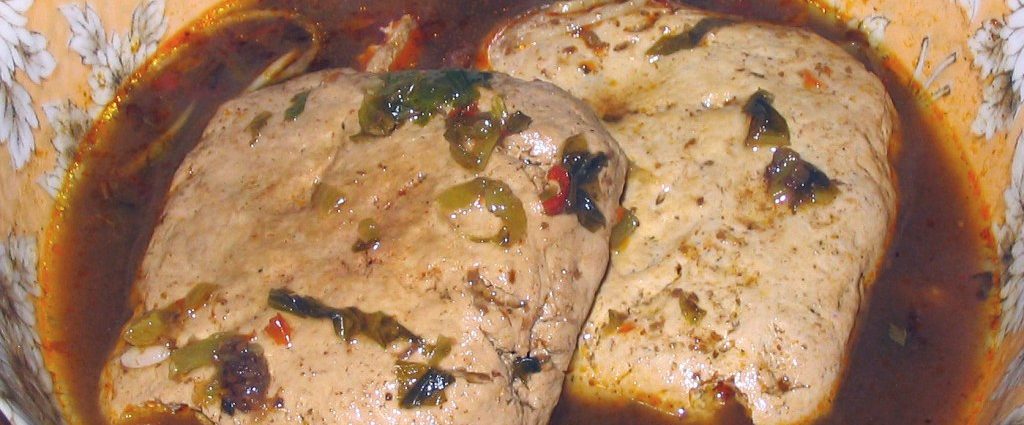
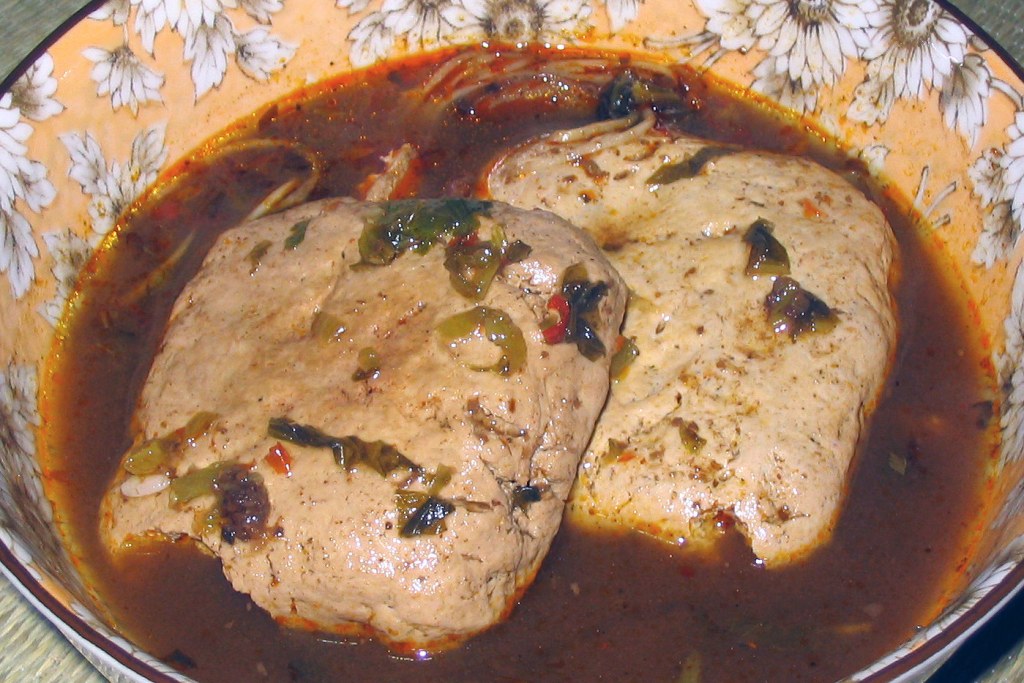
麻辣臭豆腐 is stinky tofu’s gentler, soupier cousin. Instead of being fried until crisp and dunked in sauce, the tofu is simmered in a numbing mala broth until it swells and drinks the liquid in. Twenty minutes in the pot and the notorious smell softens into something deep, savoury and faintly sour — the aroma that put you off becomes the reason you go back for the second bowl.
It is the version that converts people who thought they hated stinky tofu, and it is one of the easiest night-market dishes to make at home.
麻辣臭豆腐 is fermented stinky tofu braised in a numbing, chili-heavy broth, a staple of Taiwanese night markets. The tofu is simmered rather than fried, so it absorbs the broth and its aroma mellows into a savoury, slightly sour flavour. It is not the same as Changsha stinky tofu — that one is deep-fried and crisp; this one is soft and soupy. See the full stinky tofu guide for how the styles differ.
Braised, Not Fried: How This Differs from Changsha Stinky Tofu
Same ingredient, opposite technique, completely different dish. My Changsha-style stinky tofu 臭豆腐 is deep-fried at high heat: the outside sets into a crisp shell while the inside stays custardy, and the sauce goes on at the end. Mala stinky tofu goes the other way. It is simmered low and slow in liquid, which means it never develops a crust — it gets soft, spongy and saturated instead.
That difference matters for more than texture. Frying concentrates the fermented aroma; braising dilutes and transforms it. The broth carries the volatile compounds away and replaces them with chili, garlic, star anise and the sourness of pickled mustard greens. If someone in your household objects to the smell of stinky tofu, this is the version to cook.
Where It Comes From: Taipei Night Markets
Stinky tofu travelled to Taiwan with mainland migrants and then evolved on its own. The braised version is a Taiwanese invention, and it became a night-market fixture in cities like Taipei and Kaohsiung — sold from bubbling pots, usually in a shallow bowl with a ladle of broth over the top.
The most famous expression is 臭臭锅, “stinky hot pot”: a personal-sized hot pot in which stinky tofu is the star, surrounded by pickled greens, enoki mushrooms, blood cubes and whatever else the stall favours. Order it once and you understand why the broth — not the tofu — is the point. My Chongqing Hotpot 重庆火锅 shares the mala logic, but 臭臭锅 is a single-serving, gentler affair built around fermentation rather than offal.
Ingredients and Where to Find Them
- Stinky tofu — 400g vacuum-packed, cut into 4cm cubes
- Doubanjiang — 2 tbsp; Pixian broad bean paste (郫县豆瓣) gives the broth its red oil and depth
- Sichuan peppercorns — Sichuan peppercorns (花椒), 1 tsp, for the numbing layer
- Pickled mustard greens — 酸菜, for the sour note that defines the broth
Also needed: garlic, ginger, dried red chilies, one star anise, a small piece of cassia bark, light soy sauce, a teaspoon of sugar, Shaoxing wine, and 800ml of stock or water. Optional toppings: enoki mushrooms, bean sprouts, duck blood cubes, sliced pork.
Prep: Handling the Aroma
- Open the vacuum pack, drain the liquid, and cut the tofu into 4cm cubes. Pat them dry — do not rinse them heavily, or you wash away the flavour you are trying to keep
- Wrap the empty packaging and put it straight in the bin outside the kitchen. Most of the smell people complain about is the brine, not the tofu
- Toast 1 tsp of Sichuan peppercorns in a dry pan for 30 seconds until fragrant, then crush them lightly
- Slice 4 garlic cloves and a thumb of ginger, and snip 4 dried chilies. Have 2 tbsp doubanjiang measured and ready — it burns fast
Cook: Building the Mala Broth
- Heat 2 tablespoons of oil in a pot over low heat and add the doubanjiang. Stir for about a minute until the oil turns deep red and smells roasted — this step decides the whole broth
- Add the garlic, ginger, star anise, cassia bark, dried chilies and crushed peppercorns. Stir 30 seconds until fragrant
- Pour in 800ml of stock or water, then add 1 tbsp light soy sauce, 1 tsp sugar and 1 tbsp Shaoxing wine. Bring to a boil
- Slide in the stinky tofu cubes. Turn the heat down to a gentle simmer and cook 15–20 minutes — this is what mellows the aroma and lets the tofu absorb the broth
- Add the pickled mustard greens and any toppings (enoki, bean sprouts, blood cubes) and simmer 5 minutes more
- Taste before adding salt. Doubanjiang, soy sauce and 酸菜 are all salty already
- Ladle into bowls with plenty of broth, and finish with scallions and cilantro
Troubleshooting: Why Your Mala Stinky Tofu Tastes Wrong
- The smell is still overwhelming — the tofu did not simmer long enough. Fifteen minutes is the minimum; twenty is better. The broth has to penetrate, not just coat
- The tofu fell apart — the pot was boiling rather than simmering, or the cubes were cut too small. Keep it at a gentle bubble and cut 4cm cubes
- The broth tastes flat — the doubanjiang was not fried properly. It needs low heat and a full minute until the oil reddens; dumping it into liquid gives you salty water instead
- No numbing sensation — the peppercorns were stale or boiled too long. Toast them fresh, and if the broth still lacks it, stir in a few drops of peppercorn oil off the heat
- Too salty — doubanjiang, soy sauce and pickles stack up. Taste before seasoning, and add a splash of water if needed
How to Serve It
Serve it in deep bowls with a generous ladle of broth — the broth is half the dish. Plain rice on the side is the classic pairing, and Hunan Rice Noodles 湖南米粉 works just as well underneath. To build a fuller table, add Mao Xue Wang 毛血旺 for the blood-and-offal register, or Mala Xiang Guo 麻辣香锅 if you want the dry, stir-fried side of mala instead.
Frequently Asked Questions
Is mala stinky tofu the same as Changsha stinky tofu?
No. Changsha stinky tofu is deep-fried and served crisp with sauce on top; mala stinky tofu is braised in broth until soft. Same fermented tofu, different cooking method, different texture and a much milder aroma.
Can I make this with regular tofu?
You can, and you will get a perfectly good mala tofu — but it will not be stinky tofu. The fermented flavour is the point, so start from vacuum-packed stinky tofu if you can find it.
What is 臭臭锅?
Literally “stinky stinky pot”: a Taiwanese single-serving hot pot built around stinky tofu, usually with pickled greens, enoki mushrooms and blood cubes simmering in a mala broth. This recipe is essentially the base of it — add more toppings and a portable burner and you have 臭臭锅.
How spicy is it?
You control it entirely through the doubanjiang and dried chilies. Note that the numbing tingle from Sichuan peppercorns is a separate sensation from chili heat — a good bowl has both, and you can dial them independently.
More Street Food Favorites
If you like the fermented, night-market end of Chinese cooking, try the fried Changsha version 臭豆腐, the Spicy Crayfish 口味虾 that shares its mala backbone, or read the full Stinky Tofu Guide for every regional style.
Photo: Richy via Wikimedia Commons, CC BY-SA 3.0. Adapted by cropping and resizing.
As an Amazon Associate, I earn from qualifying purchases. These are affiliate links at no extra cost to you.