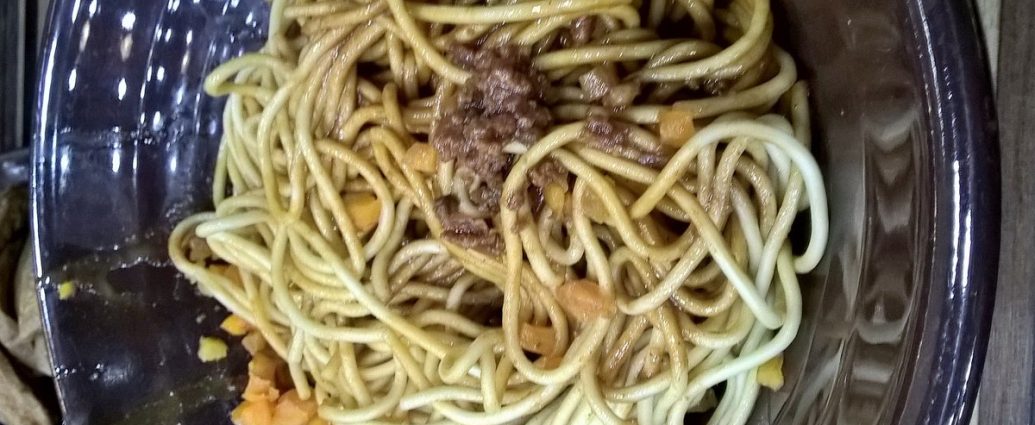
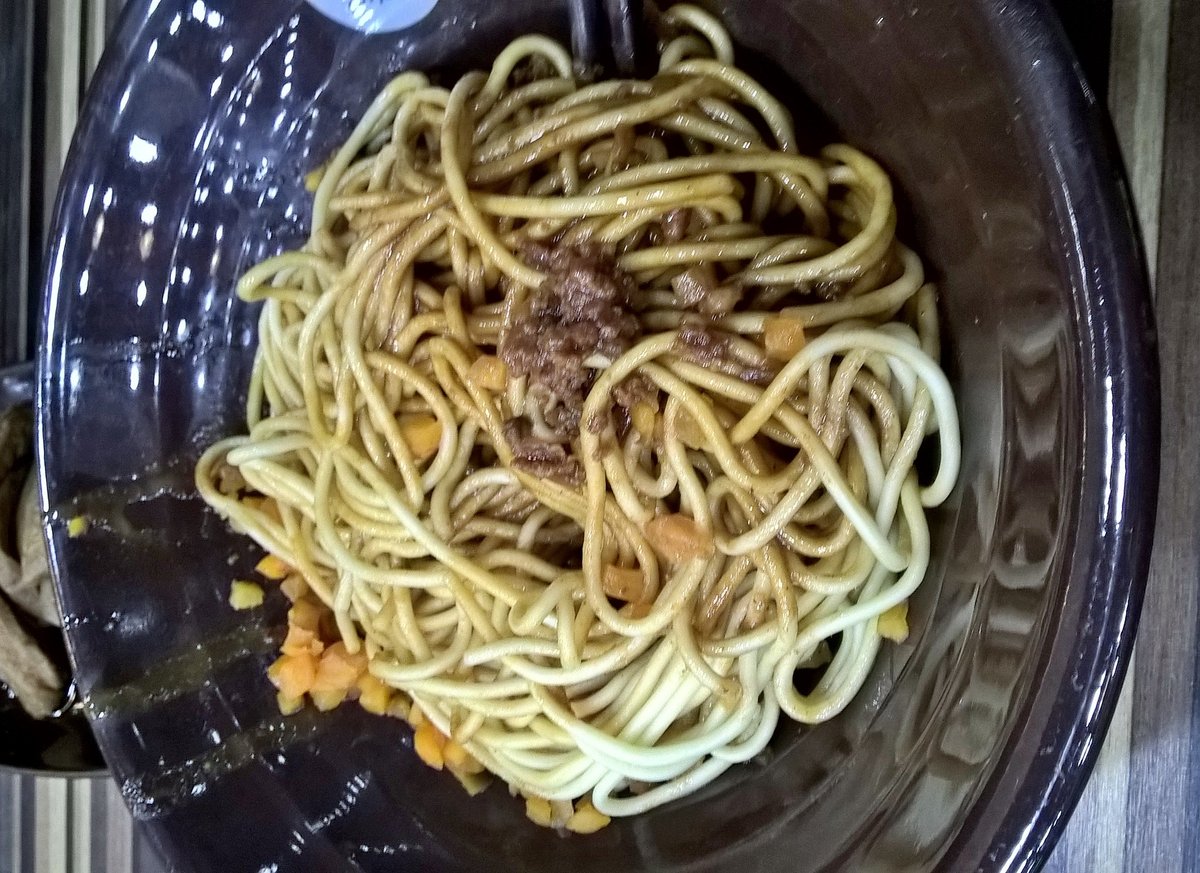
Hot Dry Noodles (热干面) is the iconic breakfast dish of Wuhan — chewy alkaline noodles tossed in a thick, nutty sesame sauce, finished with soy sauce, chili oil, and a scattering of fresh scallions and pickled vegetables. Despite its name, it is not a soup but a dry noodle dish, where every strand is coated in a rich, savory dressing that clings to the noodles like a warm blanket.
热干面 is the anchor of 过早 (guò zǎo), Wuhan’s distinctive breakfast culture — a city where people eat their morning meal on the street, standing, from a paper bowl. A bowl of hot dry noodles, a cup of sweet soy milk, and a few minutes at a roadside stall: that is the Wuhan morning. The dish is famously a dry one — 热 (“hot”) refers to the temperature and 干 (“dry”) to the absence of broth — and its flavor comes entirely from the sesame dressing. Like many great regional dishes, it is built on a happy accident: the story goes that a noodle vendor once accidentally knocked over a jar of sesame oil onto his noodles, and rather than discard them, he sold them anyway. They became the city’s signature.
This recipe comes from a Wuhan street vendor who has been making re gan mian for 20 years. His secret: the noodles must be blanched twice — once to cook, then drained and oiled, then blanched again just before serving — to achieve the perfect chewy-springy texture that defines this dish.
Why Alkaline Noodles and a Double Blanch
热干面 uses 碱面 — noodles made with alkaline water (kansui), the same family of noodles used in ramen and Lanzhou lamian. The alkali gives them a firm, springy bite and a faintly yellow color, and it is essential — ordinary wheat noodles turn soft and claggy under a thick sesame sauce. The double blanch is the vendor’s trick: the first cooking sets the noodle, then they are drained and tossed with oil so they do not stick together, and finally they are plunged into boiling water again for a few seconds just before serving. That second dip reheats them and restores the springiness that a pre-cooked noodle loses. It is a small step that makes a large difference.
The Sesame Dressing
- Chinese sesame paste (芝麻酱) — not tahini; Chinese sesame paste is made from toasted sesame and is darker and more bitter-sweet
- Loosen it with water, not just oil — a few tablespoons of warm water whisked in turn the paste into a pourable sauce
- Sesame oil for aroma — added alongside the paste for fragrance
- Light soy for salt — and a little dark soy for color
- A pinch of sugar — balances the paste’s bitterness
- Chili oil at the table — Wuhan diners add it themselves, along with vinegar and pickled vegetables
Ingredients and Where to Find Them
- Alkaline noodles — fresh alkaline noodles, or fresh ramen noodles as a substitute
- Chinese sesame paste — Chinese sesame paste
- Pickled vegetables — pickled mustard greens (酸豆角) are traditional
Also needed: light and dark soy sauce, sesame oil, sugar, chili oil, scallions, garlic, and vinegar. Some vendors add a spoonful of minced pork or a splash of braising liquid for extra savoriness.
How to Make It
- Bring a large pot of water to a boil and cook 300g (10.5 oz) alkaline noodles for 2 minutes until just underdone
- Drain, toss with 1 tablespoon oil, and spread on a tray to cool — this is the 掸面 step, done ahead of time
- Make the sauce: whisk 4 tablespoons sesame paste with 4 tablespoons warm water until smooth, then add 1 tablespoon light soy, 1 teaspoon dark soy, 1 tablespoon sesame oil, and 1/2 teaspoon sugar
- Just before serving, plunge the noodles back into boiling water for 20–30 seconds and drain well
- Transfer to a bowl and pour over the sesame sauce
- Top with pickled vegetables, chopped scallions, garlic, and chili oil
- Toss vigorously at the table so every strand is coated — the noodles should be dry and glossy, not soupy
Variations
- With minced pork — a spoonful of fried minced pork in soy sauce makes it a fuller meal
- With vinegar — a splash of Chinkiang vinegar cuts the richness; many Wuhan locals add it
- With extra chili — 红油 in quantity is the local preference; start mild and add
- With bean sprouts — blanched sprouts add crunch and are a common addition
Frequently Asked Questions
Why are my hot dry noodles claggy?
The noodles were overcooked, or the sauce was too thick. Alkaline noodles need only a brief cook, and the sesame paste must be loosened with warm water before it goes on. Toss immediately and eat within a few minutes — these noodles do not wait.
What is the difference between hot dry noodles and dan dan noodles?
Dan dan noodles (担担面) are Sichuan-style with a spicy, numbing sauce and minced pork topping. Hot dry noodles (热干面) are Wuhan-style with a sesame-based sauce and no meat — the flavor comes from the sesame paste and pickled vegetables.
Can I use tahini instead of Chinese sesame paste?
It works in a pinch, but the flavor will be different — tahini is made from raw sesame and is lighter and more bitter. Chinese sesame paste is made from toasted sesame, giving it the deep, nutty sweetness the dish depends on.
What are 碱面 (alkaline noodles)?
Noodles made with alkaline water (kansui), which gives them a firm, springy texture and a faint yellow color. Fresh ramen noodles are the closest widely available substitute. Ordinary wheat noodles will not hold up to the thick sesame sauce.
More Chinese Noodle Dishes
Love Chinese noodles? Try my Dan Dan Noodles 担担面, the Changsha classic Hunan Rice Noodles 湖南米粉, or the spicy Chongqing Small Noodles 重庆小面.
As an Amazon Associate, I earn from qualifying purchases. These are affiliate links at no extra cost to you.